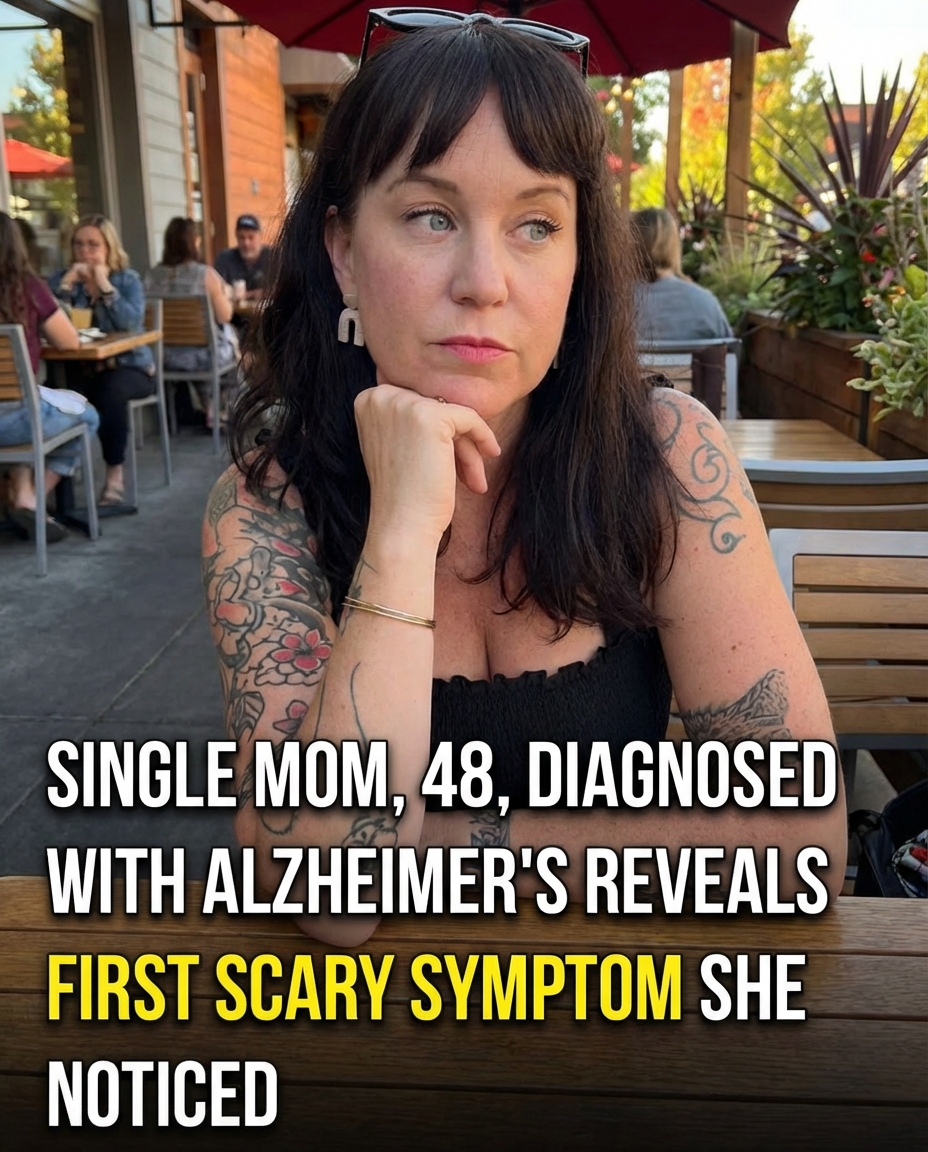
Single Mom Diagnosed With Early Alzheimer’s at 48 Shares the First Symptom That Changed Everything
At just 48 years old, Rebecca Luna never imagined she would face a diagnosis most people associate with old age. As a single mother balancing work, family, and daily responsibilities, her life was full and active. But subtle changes began to appear—small moments of confusion that didn’t seem alarming at first. Then one ordinary morning at work, something happened that would alter her life completely. She sat down at her computer, ready to begin her routine, but suddenly couldn’t remember what to do. That unexpected moment marked the beginning of a journey she never anticipated.
Early-onset Alzheimer’s is a rare form of the disease that can affect people in their 40s and 50s, often disrupting careers, independence, and family life much earlier than expected. Rebecca initially believed her symptoms were caused by stress and fatigue, common challenges for busy parents. However, as time passed, the memory lapses became more noticeable and harder to ignore. Simple tasks that once felt automatic required extra effort, and the uncertainty led her to seek medical answers. Her diagnosis confirmed that she was living with a progressive condition that would gradually affect her ability to work and live independently.
As the condition progressed, Rebecca began to notice how memory changes could affect everyday safety and routines. In one instance, she became distracted while cooking and later realized she had left something on the stove longer than intended. Experiences like this reminded her how important awareness and support would become moving forward. Despite these challenges, she remains determined to continue caring for herself and her children while adjusting to the changes in her life. She has also chosen to share her story publicly to help others understand that Alzheimer’s can affect people at different stages of life.
Through videos and personal reflections, Rebecca hopes to raise awareness and encourage compassion for those living with memory-related conditions. She emphasizes the importance of patience, understanding, and emotional support from loved ones. Her message is simple but powerful: living with Alzheimer’s does not erase the need for connection, dignity, and love. While her journey is filled with uncertainty, Rebecca continues to focus on the present, finding strength in her family and using her voice to help others recognize the early signs and realities of this condition.