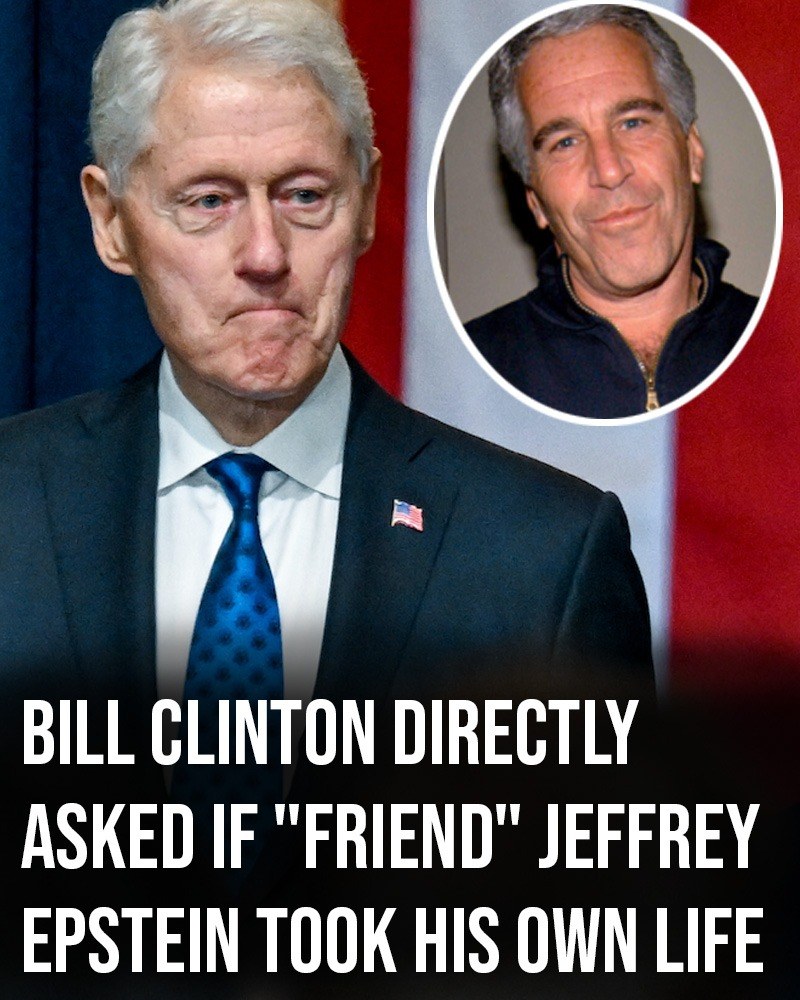
In early 2026, former United States President Bill Clinton was questioned under oath in a closed‑door deposition before the House Oversight Committee in Washington, D.C., as part of a broader congressional review connected to the late financier Jeffrey Epstein.
This testimony followed the January 20, 2026 release of millions of pages of previously sealed federal documents related to Epstein’s criminal investigations.
A development that intensified scrutiny of individuals who had known or associated with Epstein over the years. The House Oversight Committee, led by Chairman James Comer, launched a multipart inquiry into newly disclosed records from the U.S. Department of Justice (DOJ) and other agencies, seeking to understand aspects of Epstein’s activities, the government’s handling of his case, and broader questions about institutional accountability.
Bill Clinton’s deposition came after a series of interviews with other high‑profile figures whose names appeared in the newly released documents.
The Department of Justice’s Release of Epstein‑Related Records
On January 20, 2026, the U.S. Department of Justice released more than three million pages of previously confidential material in the Epstein file — including prosecution records, grand jury testimony, investigative memoranda, and correspondence between federal agencies.

This disclosure resulted from a July 2023 court order requiring the Biden administration to make many of the previously sealed documents public, following litigation by media organizations and transparency advocates.
The release was the largest single disclosure of records in the Epstein case since former federal prosecutor Alexander Acosta negotiated a nonprosecution agreement in Florida in 2008.
Among the newly available material were internal Justice Department emails, defense and government filings, witness interviews, and additional exhibits from pre‑trial proceedings.
The documents offered fresh insight into the extensive federal investigation that was underway at the time of Epstein’s arrest in July 2019 on sex trafficking charges.
The document release renewed public scrutiny of Epstein’s extensive social network, including wealthy businessmen, public officials, academics, and other influential figures.
Although inclusion of a name in the records does not imply criminal wrongdoing or formal charges, it prompted lawmakers from both parties to pursue follow‑up questions in congressional hearings and closed‑door depositions.
Congressional Oversight and Subpoena Threats
In the weeks after the DOJ’s disclosure, the House Oversight Committee subpoenaed several individuals for testimony and transcribed interviews.

According to reporting from BBC News and other outlets, Chairman Comer had warned that contempt proceedings could be considered against people who resisted committee requests for voluntary cooperation.
This applied in particular to former President Clinton and others who had been named repeatedly or extensively in the newly released documents.
Former Secretary of State Hillary Rodham Clinton testified before the committee shortly before Bill Clinton’s scheduled deposition.
Her appearance focused on her own historical associations with Epstein, including flight logs and event appearances, as documented in the disclosed records.
Bill Clinton appeared for two days of questioning before the committee. One of the matters discussed was Epstein’s death while he was in federal custody in New York in August 2019.
The Circumstances of Jeffrey Epstein’s Death
Jeffrey Epstein, who had been arrested on federal sex trafficking charges involving minors in Florida and New York, was found unresponsive in his cell in the Special Housing Unit of the Metropolitan Correctional Center (MCC) in Manhattan on August 10, 2019.
He was pronounced dead shortly thereafter. The New York City medical examiner ruled the death a suicide by hanging.
Epstein’s death occurred amid significant controversy over conditions inside the MCC, including staffing shortages, failures in cell checks, and malfunctions in surveillance equipment.

Two correctional officers were later charged with falsifying records to cover up their failure to perform required cell checks during the hours leading up to Epstein’s death.
The unprecedented nature of Epstein’s contacts and the high profile of his case contributed to widespread media attention and speculation about the circumstances of his death.
However, the official determinations by the medical examiner and Justice Department stand: Epstein’s death was ruled a suicide with no substantiated evidence of foul play, according to publicly available records and federal statements.
Committee Questioning About Epstein’s Death
During the deposition, members of the House Oversight Committee directly asked Bill Clinton whether he believed Epstein had taken his own life.
This line of questioning reflected broader public curiosity about the unanswered questions surrounding Epstein’s death, although no credible evidence has emerged to overturn the official finding.
At one point, the committee’s legal counsel asked whether Clinton personally believed Epstein had committed suicide.
Clinton’s longtime aide, Cheryl Mills, interjected to clarify the scope of the question, indicating that the former president should not be placed in a position of “speculating” beyond verifiable facts.
To ensure clarity, another committee member reframed the question: whether Clinton believed that Epstein had shown signs of being suicidal prior to his death.
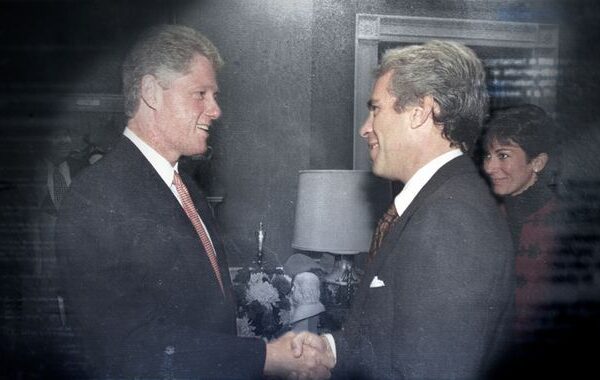
In response, Mills disputed that the characterization of Epstein as a “friend” of the Clintons was accurate, noting that Clinton and Epstein were not close friends but had been “friendly” on certain social occasions decades earlier.
Bill Clinton’s testimony on this issue was careful and measured. According to reports summarized by UNILAD and other news outlets, Clinton stated that he did not claim to know the cause of Epstein’s death beyond the official findings.
“I don’t know what the medical finding was,” he said. “I’ve accepted in my own mind that I don’t know.” He elaborated that, while he had his own personal views, he recognized that only the medical examiner and investigative authorities were in a position to make a factual determination.
He emphasized that none of those present in the deposition had access to direct evidence beyond the official record.
Clarifying Clinton’s Relationship With Epstein
A significant portion of Clinton’s deposition addressed the nature and extent of his past interactions with Jeffrey Epstein.
The newly released federal documents included flight logs from Epstein’s private jet and social calendars from Clinton’s post‑presidency years.
The records showed that Clinton had accepted invitations from Epstein for travel and events in the early 2000s, particularly related to Clinton Foundation work and philanthropic initiatives.
Clinton’s legal team has long maintained that all travel took place with proper security protocols and that Clinton undertook the trips in his capacity as a former president engaged in humanitarian work.
In his testimony, Clinton reiterated that his interactions with Epstein were limited and that he had not visited Epstein’s private residences in Palm Beach, New York, or the U.S. Virgin Islands — locations frequently cited in media reporting on Epstein’s criminal conduct.
In some cases, he acknowledged meeting Epstein at social events or foundation‑related occasions but stressed that he did not have a deep personal relationship with him.
Clinton’s deposition also covered how and why certain names appeared in the recently released documents.
Committee members pressed him on whether he had any explanation for the documented interaction histories, but Clinton maintained that inclusion of names in the records does not equate to wrongdoing or ongoing association.
Broader Public Scrutiny and Ongoing Investigation
Years after Epstein’s death, public interest in both the details of his criminal case and the circumstances of his death remains high.
The release of federal documents in January 2026 reignited debate among journalists, legal experts, and lawmakers about transparency, prosecutorial discretion, and the role of powerful social networks in shielding high‑profile individuals from scrutiny.
The House Oversight Committee has stated that its investigation is ongoing. In addition to depositions, lawmakers are reviewing the newly released documents in detail and determining whether to hold additional interviews or require the production of further materials.
At the time of Clinton’s deposition, committee members had not announced a timeline for releasing full transcripts or recordings to the public, citing longstanding committee practice regarding witness privacy and legal considerations.
In press statements following the sessions, members of Congress from both parties emphasized their interest in ensuring that investigations into Epstein’s criminal conduct and federal case handling are conducted with rigor and independence.
Some lawmakers have called for additional reforms to detentions protocols and interagency communication, citing the MCC’s documented operational failures during Epstein’s incarceration.
Conclusion
Former President Bill Clinton’s deposition before the House Oversight Committee represents a notable chapter in the ongoing congressional review of the Jeffrey Epstein matter.
His testimony, conducted under oath and subject to legal counsel, addressed questions about his past associations with Epstein and his personal views on Epstein’s death — though it did not provide new evidence overturning the official ruling that Epstein died by suicide.
The release of millions of pages of federal records in January 2026 has provided investigators and the public with an unprecedented window into the extensive federal investigation of Epstein and the government’s handling of related matters.
As lawmakers continue their review, transparency advocates and legal analysts will be closely watching for further developments, including additional interviews, disclosures, and potential legislative recommendations.
Until any additional records are released or further testimony is made public, the official determination of Epstein’s death remains unchanged, and the broader inquiry continues as part of a comprehensive effort to understand the full scope of the case and its implications for public accountability.