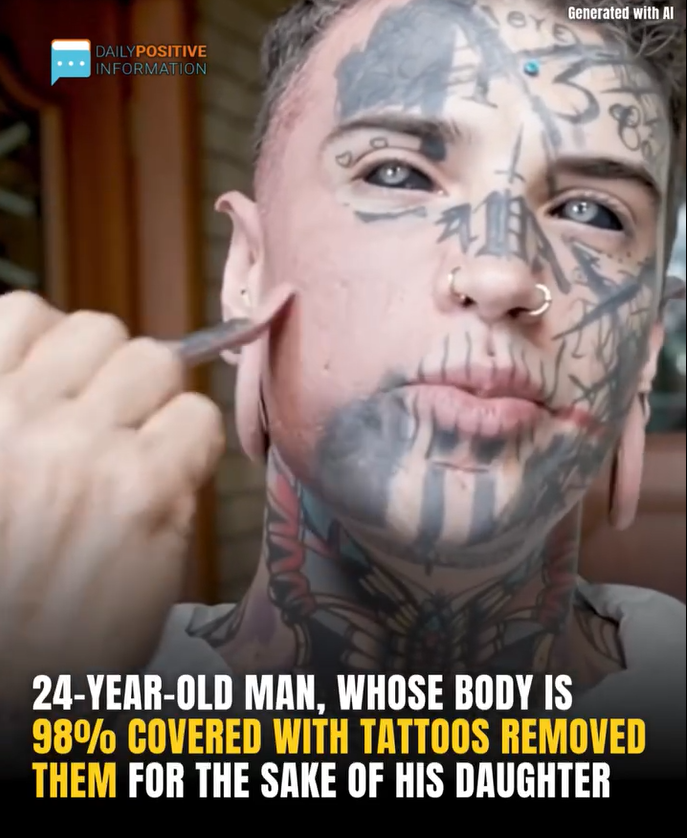
Ethan Bramble, widely known online as “ModBoy,” is an Australian body modification enthusiast who gained international attention for the extreme changes he made to his appearance.
Bramble’s body modification journey began in adolescence with stretched earlobes, ultimately leading to a heavily tattooed body and facial ink that made him instantly recognizable.
By his early twenties, Bramble’s tattoos covered roughly 98 percent of his body, including his face and eyeballs, a transformation documented in global media.
In addition to extensive tattooing, Bramble underwent numerous modifications including a split tongue and removal of his belly button — modifications that intensified public fascination with his look.
His striking appearance attracted a large social media following, where he shared images, videos, and commentary that further amplified his viral persona.
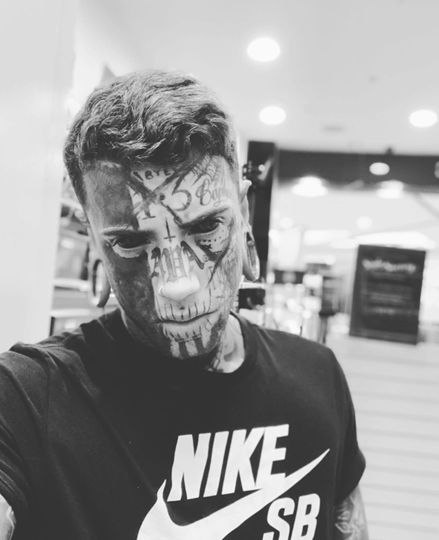
In 2019, Bramble made headlines when Victoria Police issued a warrant for his arrest in Australia over alleged assault‑related charges.
At the time, police described him as heavily tattooed, with ink on his face and eyeballs, and distinctive body modifications including stretched earlobes.
Bramble publicly denied wrongdoing and even taunted authorities in social media posts, gaining additional media attention for his unapologetic responses.
In one instance, he commented on a police appeal on social media, challenging authorities and fueling further public interest in his situation.
He has also appeared in mainstream media interviews, explaining his body modification philosophy and reflecting on how his appearance affects how others treat him.
Over time, Bramble became a polarizing figure — admired by some for his bold self‑expression and criticized by others for the extremity of his modifications.
Despite his reputation, his perspective on tattoos has evolved, especially after becoming a young father, as reported in personal interviews.
In a 2024 interview, Bramble acknowledged that while he once fully embraced his heavily tattooed appearance, some of his choices now give him pause.
He revealed that he had spent significant sums — around 60,000 AUD — on tattoos and modifications over the years.
Though not all his tattoos are regretted, he singled out many facial tattoos as particularly problematic, especially given their impact on daily life.
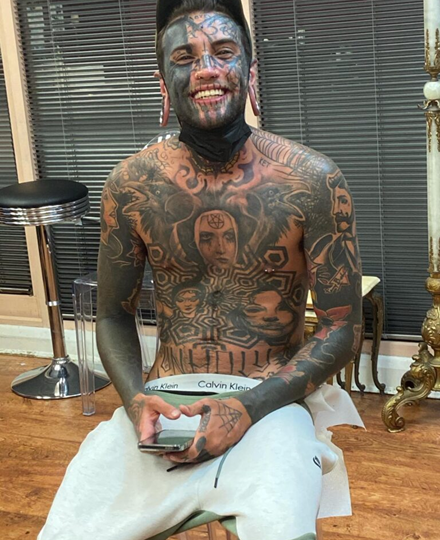
Bramble explained that these visible tattoos sometimes trigger judgment or misunderstanding, including while taking his young daughter to school.
He described experiencing anxiety related to how others perceive heavily tattooed individuals, a feeling shared anecdotally by many with extensive visible ink.
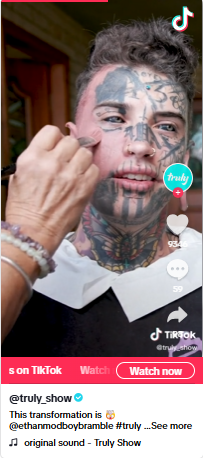
To address his insecurities and adapt his appearance, Bramble began undergoing laser tattoo removal treatments, a lengthy and painful process, to fade some of his face tattoos.
He said he hoped to “clear the canvas” over the course of roughly two years, gradually reducing the prominence of facial ink.
The decision to remove tattoos reflects a shift in his priorities, with Bramble now focusing on fatherhood and personal well‑being over shock value.
In discussing his regrets, he differentiated between creative expression and practical consequences, noting that visible tattoos sometimes bring social stigma.
Research suggests that a notable percentage of tattooed individuals experience some level of regret and seek removal services, especially for tattoos in highly visible areas.
Bramble’s choice to seek removal highlights this dimension of modern tattoo culture, where personal identity and societal perception intersect.
Though tattoo removal can be costly and time‑consuming, many pursue it to reduce negative attention and increase opportunities in personal and professional life.
Like many heavily tattooed people, he recognizes that ink is not easily erased, but believes gradual fading offers a more flexible future.
Bramble’s journey reflects broader conversations about body art — from bold self‑expression to thoughtful reconsideration over time.
Some commentators note that extensive modification can shape how others respond socially, emphasizing the importance of autonomy paired with awareness.
As public discussions about tattoo regret and removal rise, Bramble’s experience offers a personal lens on these issues.
He also discussed his mental health honestly, saying that part of his motivation for change was reducing anxiety tied to his external appearance.
In recent years, he has used his story to encourage open discussion about how permanent body art intersects with identity, judgment, and life stages.
Bramble’s transition from flamboyant body modification fan to someone pursuing changes for family reasons mirrors shifts seen in others who have significant ink.
He has expressed a desire to support his daughter and hopes she will make thoughtful decisions about her own body as she grows up.
While still embracing aspects of his personal style, Bramble’s changing priorities show how life experience can reshape attitudes toward extreme modification.
His story continues to attract interest from both those within the body art community and the broader public intrigued by transformation and self‑reflection.
By sharing his regrets as well as his past enthusiasm, Bramble adds nuance to how society views heavily tattooed individuals today.
As he navigates fatherhood and personal growth, his evolving relationship with body modification may inspire others to consider both passion and consequence.
Overall, Ethan Bramble’s experience highlights the complex interplay between self‑expression, social judgment, and personal change in modern tattoo culture.
His journey from extreme modification to reconsideration reminds us that identity can evolve over time, shaped by both inner and outer worlds.
While his past remains part of his story, his focus on family and future goals underscores a shift away from spectacle toward substance.
With continued laser treatments and growing maturity, Bramble aims to strike a balance between his individuality and the responsibilities of everyday life.
The attention he receives — both supportive and critical — reflects broader cultural conversations about tattoos, modification, and personal evolution.
Whether or not he fully removes his tattoos, his openness about regret and change offers a rare, honest perspective on extreme body art.
In sharing both triumphs and regrets, Bramble’s candid reflections may resonate with many who have rethought past choices in pursuit of a better future.