My name is Claire, and for as long as I can remember, permanence was a foreign concept. Childhood, for me, was a patchwork of foster homes, social workers, and revolving doors.
Each placement brought a new room, a new set of rules, a new family that could disappear overnight. I learned quickly: carry only what fits in your arms, trust only what you can see, and never expect anyone to stay.
My backpack was heavy not with possessions but with caution and fear. Every goodbye left a scar, every relocation a lesson in emotional survival. The loneliness was quiet but persistent. I would sit on the edges of unfamiliar beds, staring at cracked walls or peeling paint, telling myself stories to pass the hours.
I learned to notice details others overlooked—the way sunlight hit a particular corner of a room, the rhythm of footsteps in the hall, the sound of laughter that didn’t quite reach the eyes. Those small things became my anchors.
Then, in my last group home before aging out of the system, everything shifted. I met Noah.
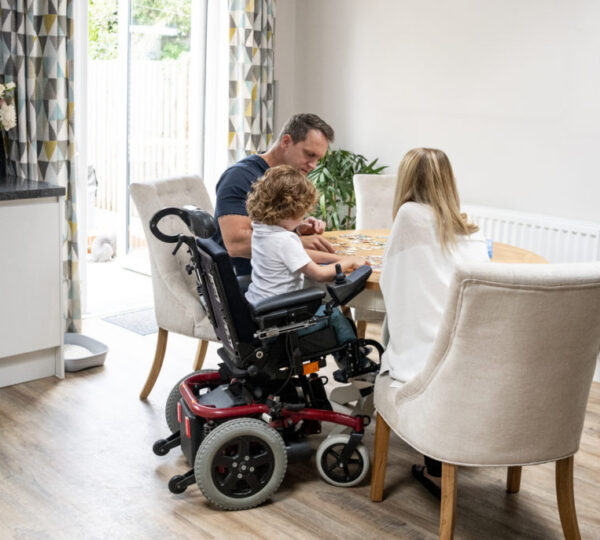
There was a serenity about him, an almost imperceptible shield that made you think he had carved out a little corner of the world he could call his own. I, on the other hand, was full of noise—sarcasm, jokes, restless energy. But I remember sitting beside him, trying to break the silence.
“Best seat in the house?” I said, nodding toward the window.
He looked at me, and for the first time, I saw a smile that was cautious but genuine, that hinted at trust. That small gesture became the first thread of a connection that would define both our lives.
From that moment, we were inseparable. Not in the dramatic, Hollywood sense—no sudden confessions or instant bonding—but in the quiet, profound way that only two people who understand loss and resilience can connect.
We built a friendship that felt safer than anything we had ever known, a bond strengthened by shared experience, empathy, and understanding that words could never fully capture.
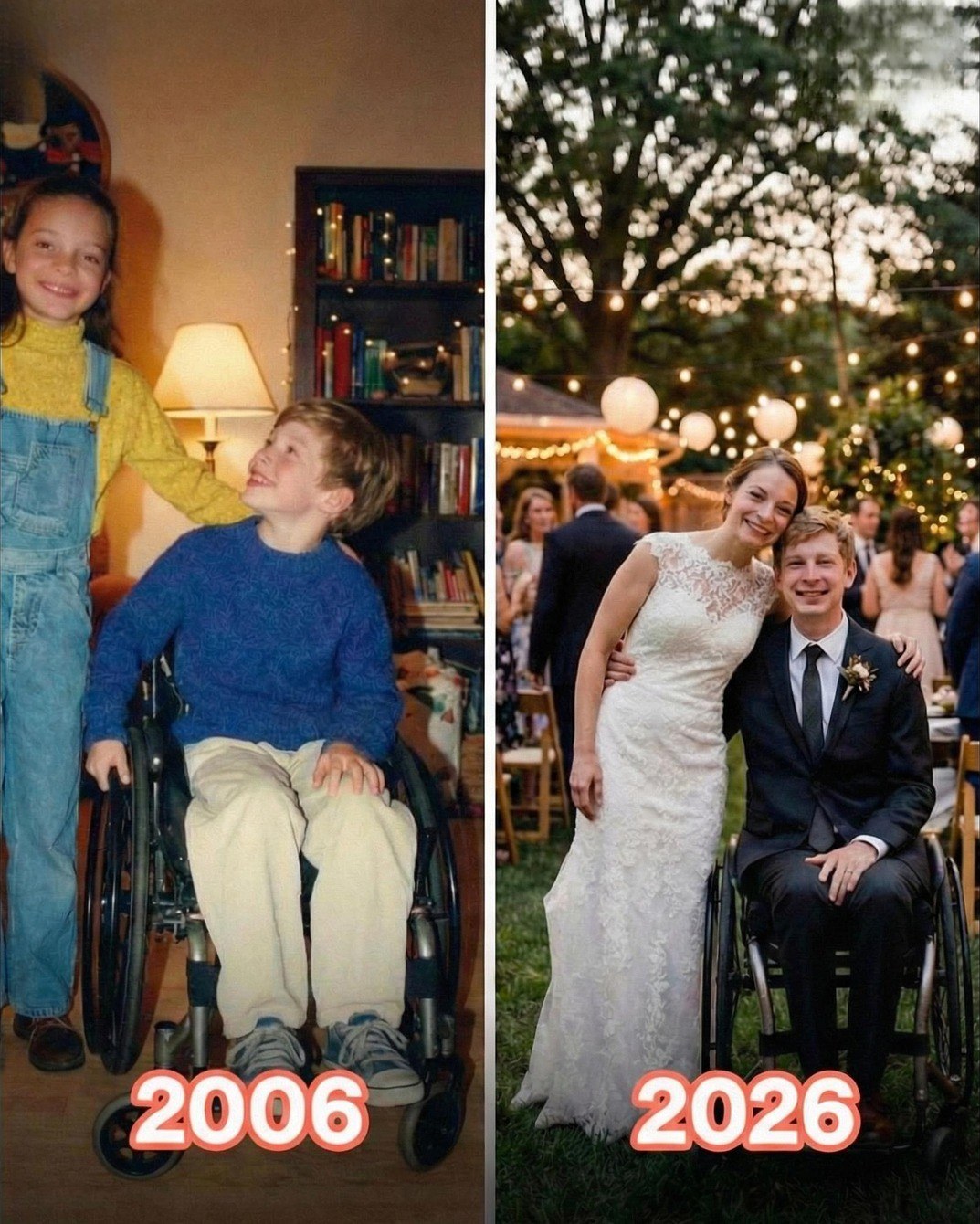
When the time came to leave the foster system, we left together. We carried our belongings in plastic bags, fragile and temporary, but we had each other.
Terrified of the unknown but unwilling to face it alone, we moved into a tiny apartment that smelled faintly of paint and age.
It was a space too small for furniture, yet we made it ours, filling it with thrift-store finds, secondhand appliances, and the optimism of people who had nowhere else to go but forward.
Life was hard. We worked exhausting jobs that left our muscles aching and our minds drained. Classes were difficult to schedule, meals were often simple, and bills were relentless.
But in the midst of struggle, our love and partnership grew quietly. It wasn’t a sudden burst of romance; it was the accumulation of consistent acts of care. Noah would stay up late when I was exhausted from a double shift, helping me study or simply holding my hand.
I would make him small meals, noticing the details he preferred—extra pickles, thicker soup, a little more spice. Our connection thrived in the mundane, in the everyday, in the shared rituals that gave structure and warmth to our fragile existence.
When he proposed, it was in the little kitchen of that cramped apartment, amid chipped tiles and thrifted chairs. The proposal was simple—quiet and sincere.
He didn’t kneel on a velvet cushion; he held my hand, looked into my eyes, and asked. I said yes before he could even finish his sentence, the certainty in my heart outweighing any worry or hesitation.
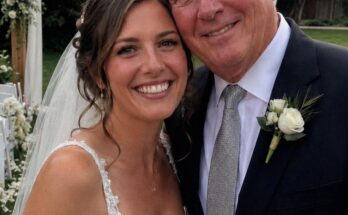
Our wedding was modest. We decorated with strings of borrowed fairy lights, bouquets of secondhand flowers, and vows that reflected our journey.
It was not about extravagance—it was about claiming permanence in our lives for the first time. I felt, in that moment, that the hardest part of our story was behind us. We were together, we were safe, and we were ready to build something lasting.
Then came the knock.
The morning after our wedding, a sharp, urgent knock echoed through the apartment, shattering our fragile calm.
I opened the door to a man dressed in a crisp suit, his demeanor polite but serious enough to make my stomach tighten. He introduced himself as Thomas and asked to speak with Noah alone.
I stood to the side, anxiety threading through me, watching as Noah and the man exchanged cautious glances. Thomas explained that he had been searching for Noah for years and handed him an envelope bearing the name Harold Peters—a name neither of us recognized.
Noah’s hands trembled as he broke the seal and unfolded the letter. I watched his face, hoping the words wouldn’t bring disappointment, dread, or confusion. But what followed was something neither of us could have anticipated.
The letter recounted an incident from years earlier: an elderly man had fallen outside a grocery store. People passed him by, indifferent, oblivious, until a young boy in a wheelchair stopped, called for help, and stayed by his side until he was safe.
That boy, the letter revealed, was Noah. Harold Peters, the elderly man, wrote that he had never forgotten the compassion and courage Noah had shown, that he carried the memory of that single act of kindness with him for the rest of his life.
Thomas confirmed that this was no fictional story—it was real. Harold Peters had set up a modest but meaningful inheritance for Noah: a house, some savings, and a legal trust.
It wasn’t flashy wealth, but for two people who had never known stability, it was transformative. Security, in a way we had never imagined, was suddenly within our grasp.
After Thomas left, we sat on our worn couch in stunned silence. Hands clasped tightly, as if letting go might undo the reality of what had just occurred, we tried to absorb the moment.
The apartment, with its worn furniture and cramped rooms, suddenly felt smaller, not because it was inadequate but because the world outside had expanded, offering a place where permanence could exist.
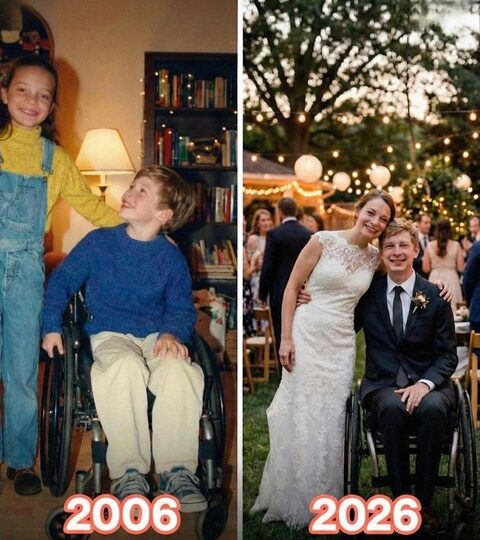
Weeks later, we visited the house Harold had left behind. It was modest but welcoming, filled with sunlight spilling through windows that seemed to smile at us.
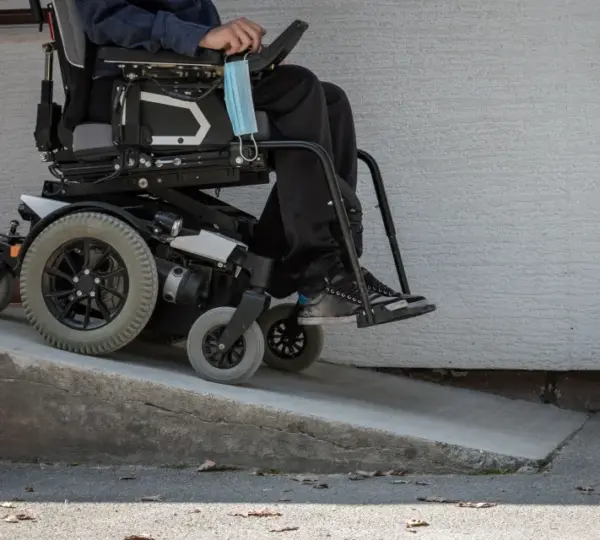
A ramp was already in place at the entrance, accessibility taken care of without us having to ask. Each room seemed to whisper, “this is yours, without condition.”
Noah rolled into the living room, his voice quiet, almost reverent. “I never imagined living in a place that couldn’t be taken away,” he said.
In that moment, I realized something unforgettable. Life doesn’t always reward us with ease, luck, or fairness. Often, it offers quiet proof that kindness, even small and unnoticed at the time, can echo across years and change everything.
That single act, performed without expectation, had returned in a way that neither of us could have anticipated, opening doors and offering security where there had only been uncertainty.
The house became more than a residence—it was a symbol of hope, a tangible affirmation that goodness endures. For the first time in my life, permanence was not an abstract concept.
We unpacked slowly, placing books on shelves, arranging furniture, and adding personal touches that reflected our journey. Every picture frame, every small decoration, was a declaration that we belonged, that our efforts to survive and love had finally coalesced into a life that could last.
Noah and I often sit together in the living room, sunlight pooling around us, remembering the twists and turns that led here. We talk about foster homes, about nights spent in uncertainty, and about the moments that defined our resilience.
But most importantly, we reflect on the principle that shaped our future: one simple act of seeing another person, acknowledging their struggle, and choosing to help without expectation can ripple outward in unimaginable ways.
Over time, we also began to extend that lesson outward. We volunteered at local shelters, offered mentorship to foster youth, and shared our story to remind others that kindness, even in the smallest form, holds the power to transform lives.
Every child we encountered, every person struggling with instability, became a reminder that the world could be changed not by grand gestures but by the quiet, consistent decisions to act with empathy.
The journey from foster care to finding permanence was not linear. There were days of doubt, days when the weight of the past threatened to overwhelm the promise of the present.
But through it all, our love and commitment—to each other and to the principle of kindness—kept us anchored.
Noah’s quiet resilience and my determination to never give up allowed us to navigate the turbulence, proving that even in a world designed to challenge us, security and hope were attainable.
And so, our life continues—not as a story of fortune or luck, but as a testament to the enduring impact of compassion.
From plastic bags and borrowed beds to a home of our own, every step has been a reminder that the echoes of kindness can reach across time, bringing stability, joy, and connection where it is needed most.
Sometimes, the smallest acts are the most profound. A single moment of recognition, a willingness to stop and help, has the power to reshape destinies.
For Noah and me, that moment arrived years ago, quietly, unnoticed by the world. And yet, it returned in full force, offering security, love, and the irreplaceable gift of permanence.
As I sit beside him now, holding his hand and watching the sunlight spill into our living room, I understand something I never believed as a child: the world can reward goodness in ways we cannot foresee.
Sometimes, it takes years for kindness to return, and sometimes it arrives in forms more substantial than we could have imagined. But when it does, it changes everything. And for the first time in my life, I finally believe that permanence, security, and love can endure.