In a poignant moment for fans of classic pop music around the world, legendary singer‑songwriter Neil Sedaka has died at the age of 86.
His family confirmed the news in a statement on Friday, expressing deep sorrow at the sudden loss of a beloved husband, father, grandfather, and one of the most enduring figures in American popular music.
Sedaka’s contributions spanned more than seven decades, leaving a legacy that connects generations through melody, lyric, and story.
“Our family is devastated by the sudden passing of our beloved husband, father and grandfather, Neil Sedaka,” his loved ones said.
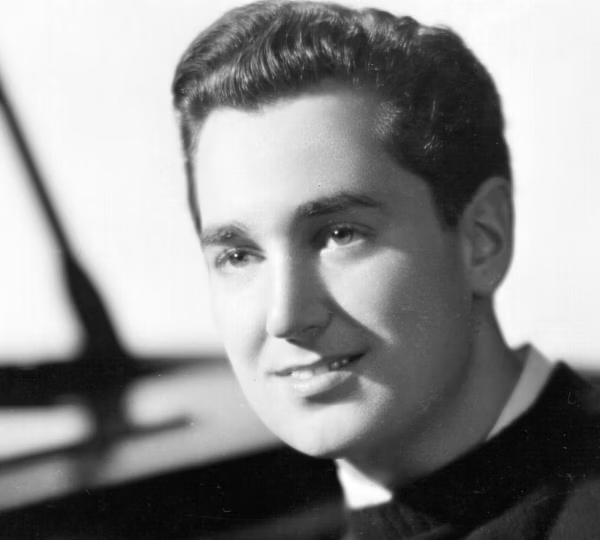
“A true rock and roll legend, an inspiration to millions, but most importantly, at least to those of us who were lucky enough to know him, an incredible human being who will be deeply missed.”
Early Life and Musical Beginnings
Neil Sedaka was born on March 13, 1939, in Brooklyn, New York, to Eleanor (née Appel) and Mordechai “Mac” Sedaka, a taxi driver.
Immersed in the rich cultural fabric of New York’s neighborhoods, Sedaka displayed an early musical promise.
He began piano lessons at a young age and earned a scholarship to study classical piano at the children’s division of the prestigious Juilliard School — a training that would inform his musical technique for the rest of his life.
Sedaka’s earliest collaborations began in his teens, most notably with neighbor and lyricist Howard Greenfield.
The pair formed one of pop music’s most successful songwriting partnerships, creating teen‑oriented pop songs brimming with catchy hooks and timeless appeal.
Their first major success came in 1958, when Connie Francis recorded “Stupid Cupid,” which became a Top 20 hit and launched Sedaka’s career as a songwriter.

Rise to Stardom: The Pop Phenomenon of the Late ’50s and Early ’60s
As a recording artist, Sedaka signed with RCA Records and quickly became one of the era’s most recognizable voices.
With a distinct tenor and impeccable sense of melody, he delivered a series of chart‑topping songs that defined youth culture in the early years of rock and roll.
Hits such as “Oh! Carol” (inspired by his high school relationship with fellow singer Carole King), “Calendar Girl,” “Happy Birthday Sweet Sixteen,” and “Breaking Up Is Hard to Do” surged up the Billboard charts and into the collective memory of teenage America.
These songs — often written with Greenfield — showcased Sedaka’s ability to craft narratives of youthful love, joy, and heartbreak with an unmistakable pop sensibility.
“Breaking Up Is Hard to Do” in particular became a signature song for Sedaka, capturing listeners with its jaunty rhythm and memorable refrain.
The single spent multiple weeks on the charts, becoming one of his most enduring hits and an anthem of adolescence in the early ’60s.
Beyond his own recordings, Sedaka’s work as a songwriter found success in the hands of other artists.
Frank Sinatra, Elvis Presley, The Monkees, and The 5th Dimension all recorded versions of his compositions — testifying to the breadth and adaptability of his craft.
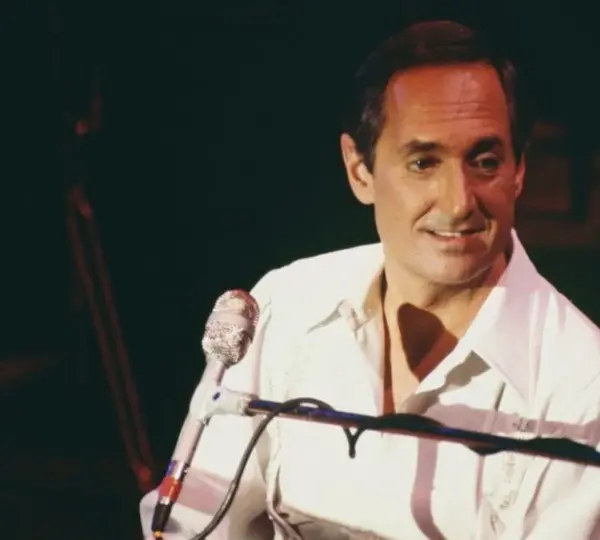
Challenges and Reinvention in the Mid‑1960s
The musical landscape shifted dramatically with the arrival of the British Invasion in 1964, led by bands like The Beatles and The Rolling Stones.
This new wave of rock and pop music changed audience tastes and radio formats, leaving many American pop stars of the early 1960s struggling for chart success.
Sedaka was no exception — his own singles began to experience declining performance as the ‘60s progressed.
Rather than fading away, Sedaka adapted by focusing on songwriting for others and by broadening his musical horizons.
He continued to work creatively, penning songs like “Workin’ on a Groovy Thing” for The 5th Dimension and writing with a range of collaborators to keep his music relevant despite trends that favored new styles.
Resurgence in the 1970s: A Second Wave of Success
Sedaka’s comeback in the 1970s stands as one of the most remarkable reinventions in a long career. Moving to England in the early ’70s, he began recording a series of albums that reintroduced him to audiences in the U.K. and beyond. It wasn’t long before his music recaptured the attention of American listeners.
With the support of longtime admirer Elton John — who signed him to his Rocket Records label — Sedaka returned to the U.S. charts in a major way.
The album Sedaka’s Back yielded several hits, including “Laughter in the Rain” and “Bad Blood,” both of which reached No. 1 on the Billboard charts.
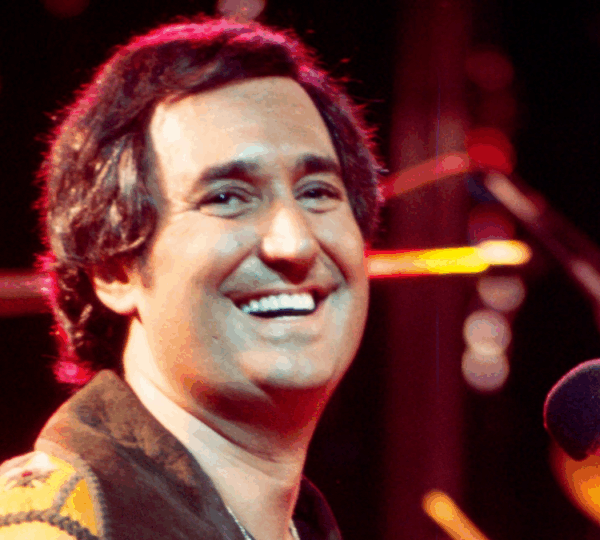
“Laughter in the Rain,” co‑written with Philip Cody, became a soft rock favorite and showcased Sedaka’s growth as a songwriter capable of evolving with the times without losing his melodic touch.
During this period, he also enjoyed success as a songwriter for others. Captain & Tennille’s rendition of “Love Will Keep Us Together,” a song he co‑wrote, became one of the year’s biggest hits and won the Grammy Award for Record of the Year.
In an unusual achievement, Sedaka’s classic song “Breaking Up Is Hard to Do” enjoyed renewed life in the 1970s when he recorded a slower, ballad version that also climbed the charts — a rare feat of the same song reaching high positions in two distinct arrangements.
Later Career: Artistic Exploration and Stage Life
Sedaka continued to create and perform through the following decades. In the 1980s and 1990s, he recorded albums that included both new material and reinterpretations of his earlier work.
In 1995, he released Classically Sedaka, an album that blended his pop roots with classical structures, demonstrating his formal musical training alongside his pop sensibilities.
He also recorded Yiddish music and projects featuring his own children, reflecting his cultural roots and personal creativity.
Beyond the recording studio, Sedaka remained active onstage, touring extensively and connecting with fans around the world.
Even into his 80s, he enjoyed a vibrant performing life, participating in concerts, online performances during the pandemic, and occasional television appearances.
In 2007, Lincoln Center in New York honored his 50‑year career with a gala concert featuring an array of performers — a celebration of his enduring influence and the breadth of his songwriting legacy.
Accolades and Legacy
Although Sedaka was nominated for five Grammy Awards over the course of his career, one of his most lasting honors came with his induction into the Songwriters Hall of Fame in 1983, recognizing his contributions to popular music and the sheer volume of his influential work.
His melodies have become staples of radio, film, and live performance, resonating far beyond their original release dates.
He also received a star on the Hollywood Walk of Fame, cementing his status as a figure whose music shaped American popular culture.
Personal Life and Family
Neil Sedaka’s life offstage was grounded in a long and supportive marriage. He married Leba Strassberg in 1962, and the couple remained together for more than six decades, a partnership that weathered the highs and lows of fame and the shifting currents of the music business.
Together, they raised two children: daughter Dara, who pursued music at her own pace and even duetted with her father on the 1980 single “Should’ve Never Let You Go,” and son Marc, who established a career as a television and film writer.
Sedaka’s family life, marked by stability and mutual support, was a source of pride throughout his life.
He also leaves behind grandchildren and a legion of fans worldwide who grew up with — and continue to discover — his music.
Death and Remembrance
Neil Sedaka died on February 27, 2026, at the age of 86. The exact cause of his death has not been publicly disclosed, though reports indicate his passing followed a sudden medical issue that led to hospitalization in Los Angeles.
Tributes from across the music world poured in following the announcement, with fellow artists, songwriters, and fans honoring Sedaka’s contributions to the culture and his unflagging dedication to his craft.
From his earliest teen pop hits to his later sophisticated ballads, Sedaka’s music has sparked joy, solace, and nostalgia in countless lives.
Enduring Impact and Memory
Neil Sedaka’s musical legacy is one of versatility and timeless appeal. His songs — from the upbeat optimism of “Calendar Girl” to the mature warmth of “Laughter in the Rain” — captured both the innocence and evolving complexity of popular music across eras.
His ability to both launch chart‑topping hits and reinvent himself creatively ensured a career that not only endured but also influenced generations of singers and songwriters.
In a world where musical tastes evolve rapidly, Sedaka’s work stands as a testament to the enduring power of melody and emotion — a catalog that will continue to inspire new listeners for years to come.
Rest in peace, Neil Sedaka — a true architect of the soundtrack of popular culture.