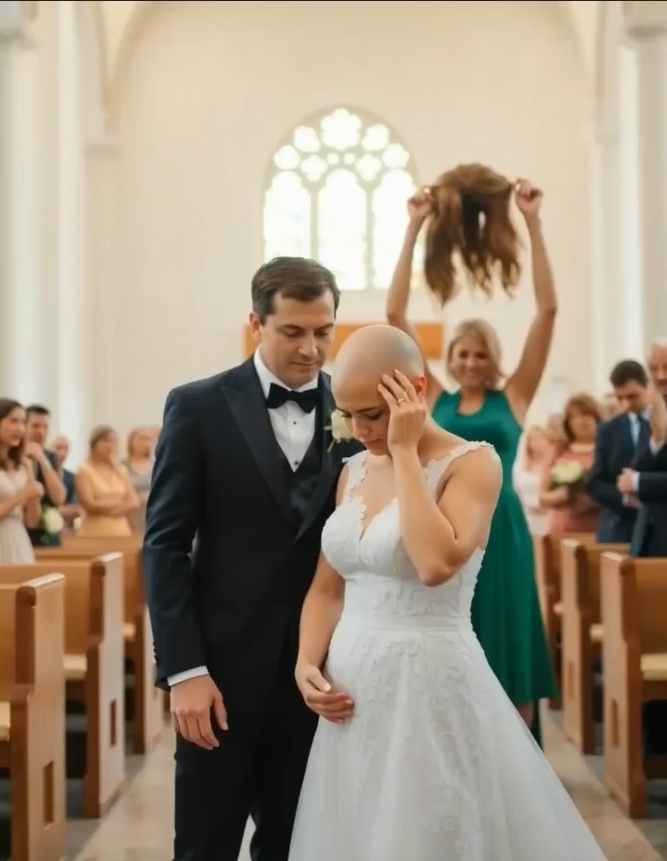
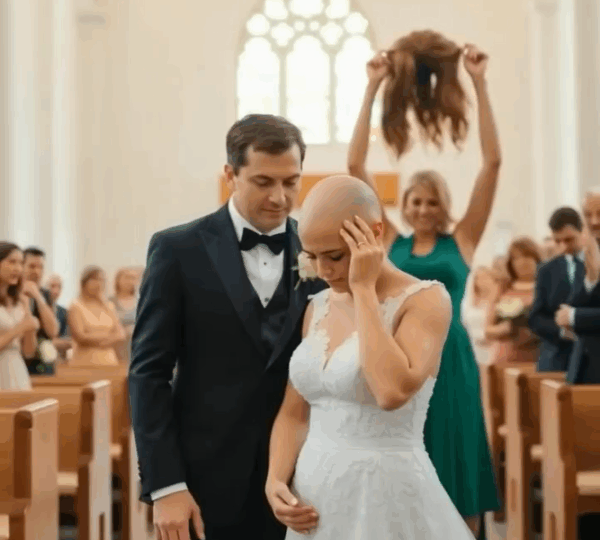
As I stood there, vulnerable and exposed, a surge of emotions washed over me, a mixture of fear, anticipation, and lingering sadness. The room seemed to close in, heavy with silence, broken only by hesitant shuffling and soft whispers.
My mother-in-law’s triumphant smirk seemed to grow, each glance aimed like a calculated arrow meant to wound. Her sense of victory was palpable, but I braced myself, knowing that the day I had imagined might still be salvaged.
The polished floors reflected the tense faces of guests, their eyes darting between me and the unfolding scene. I felt my chest tighten, unsure whether I could hold my composure as the weight of their stares pressed down.
Suddenly, a voice pierced the tension, breaking the oppressive silence. It was my best friend Sarah, steadfast through every trial of my cancer journey, her presence radiating unwavering support and determination in the face of cruelty.
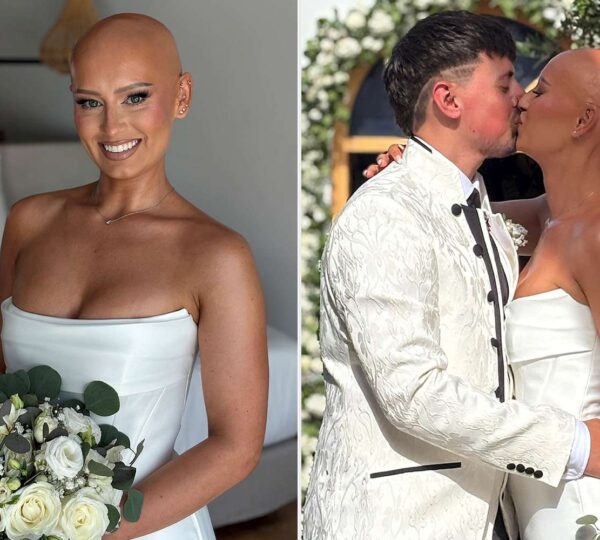
“How dare you humiliate someone who has already battled so hard to stand here today?” she said, her voice strong, commanding attention and echoing through the church with a resonance impossible to ignore.
Her words acted as a spark, igniting courage within me and awakening the empathy of those around. One by one, voices joined hers, forming a chorus that resonated with love, respect, and solidarity for my experience.
My bridesmaid spoke first, her words steady and tender, “You’re beautiful just the way you are.” They flowed like a comforting current, breaking down the walls of shame and fear that had built up in moments before.
A college friend added softly, yet firmly, “She’s a survivor, and that’s more than admirable.” Their affirmation wrapped around me like a protective blanket, offering reassurance I hadn’t realized I desperately needed.
Even some of the groom’s relatives, tentative at first, began to murmur encouragement. “Look at her strength. This is remarkable,” one whispered. The shift in the atmosphere was palpable, moving from judgment to admiration.
I felt my shoulders loosen slightly as the shame I carried began to dissolve, replaced by an unexpected warmth and gratitude. The support from these voices reminded me that I was never truly alone.
My groom, still holding me close, turned toward his mother, his expression stern but controlled. “Mom, this is not how I wanted this day to go,” he said, his disappointment evident yet tempered with love.
“You owe her an apology,” he continued, his voice firm, resonating not with anger, but with the clarity of someone defending what is right and protecting the person he loved unconditionally.

The mother-in-law’s smug expression faltered, her power slipping as the collective support turned the tide. Embarrassment colored her face, though traces of defiance lingered, highlighting the tension between her intention and reality.
Mumbling a begrudging apology, she lowered her gaze. It was no longer the words that mattered, but the overwhelming demonstration of love, solidarity, and affirmation from the people who had chosen to stand beside me.
One by one, the guests began clapping, initially soft, gradually swelling into a rhythm that filled the church. Their smiles and approving nods communicated more than words ever could, conveying pride and acceptance.
I felt a warmth spread through me, a profound realization that the wig I wore had been a shield, but it wasn’t my identity. My essence and worth transcended appearance or societal expectations.
The people who stood by me, who saw past the bald head to the woman I truly was, became my source of strength, reminding me that resilience often comes from connection and shared empathy.
The love, affirmation, and encouragement from those around me outweighed any intended humiliation, replacing shame with empowerment and reinforcing the truth that courage often reveals itself in the support of a community.
As the applause continued, I wiped away tears, allowing myself to fully feel the joy and confidence swelling inside. My groom squeezed my hand, his pride and admiration reflecting back every ounce of support he had always given me.
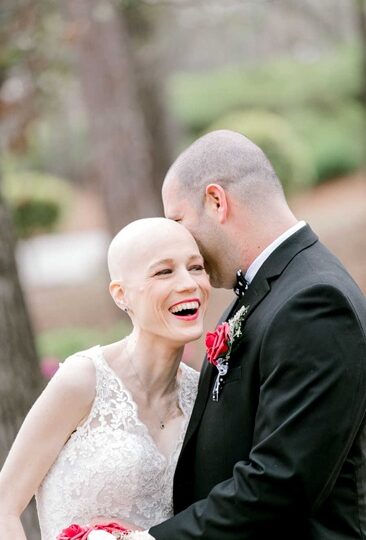
We began to walk down the aisle together, past rows of faces filled with encouragement, past the warmth and solidarity of friends and family who had chosen love and kindness over judgment.
Each step reminded me that my journey, though difficult, had led me to this moment of undeniable strength and affirmation, that the trials of illness had not diminished my spirit but illuminated its depth.
The incident with my mother-in-law, intended to wound, had instead transformed into a testament of resilience, the power of community, and the unshakable bond between those who truly care for one another.
It became clear that beauty is not defined by hair, clothing, or societal norms, but by the courage to stand as oneself, fully exposed, and yet unbroken, surrounded by those who choose love over criticism.
The church, once tense with anticipation, now felt alive with positive energy. Smiles, nods, and gentle clapping continued, as if the space itself recognized and honored the journey of survival, resilience, and empowerment I represented.
I realized the wig I had worn was merely symbolic, but the support surrounding me—the laughter, the tears, the encouragement—represented real beauty, authenticity, and the depth of human connection beyond appearances.
This moment reaffirmed that my worth is intrinsic, that the love and respect earned through shared experience and vulnerability far outweigh any superficial attempts at humiliation or judgment.
My groom’s unwavering presence and pride provided an anchor, a reminder that partnership is about mutual respect, unconditional support, and standing together through challenges that test both strength and courage.
As we moved forward, past each row of supportive faces, I felt a renewed sense of self, a clarity that my survival, my journey, and my identity were all worthy of recognition and celebration.
The love from friends, family, and even previously hesitant guests reinforced the lesson that resilience is not solitary. It thrives in the encouragement, compassion, and collective affirmation from those who choose to stand beside us.
By the time we reached the altar, the weight of anxiety had lifted, replaced by pride, joy, and gratitude. Each supportive smile reminded me that survival is not just about enduring but thriving in the face of adversity.
The incident with my mother-in-law, while painful in intent, became a defining moment, highlighting the difference between superficial judgment and the profound power of genuine empathy, encouragement, and unwavering support from a community.
On my wedding day, I fully embraced the realization that appearances do not dictate love, respect, or value. My bald head, a mark of survival, became a symbol of strength and authenticity.
I felt truly seen and accepted, recognized not for my hair or outward appearance, but for my courage, resilience, and the person I had worked so hard to become through illness and recovery.
In that sacred space, surrounded by those who had witnessed my journey, I understood that true love celebrates essence, perseverance, and spirit, and that the human heart responds to authenticity far more than superficiality.
The applause continued, a rhythm of affirmation that resonated deeply, intertwining with my heartbeat, reinforcing the reality that I was cherished, valued, and respected for the courage it took to stand tall in that moment.
My groom’s hands held mine firmly, a steadying presence, his pride and love radiating in quiet gestures and warm expressions, affirming that our bond was strengthened through shared trials, honesty, and unwavering support.
Every glance from our friends, family, and allies communicated validation, recognition, and empathy, highlighting that community, solidarity, and compassion can transform moments of humiliation into occasions of empowerment and collective triumph.
As we stood together at the altar, I felt a sense of closure and victory, understanding that the trials endured had shaped my resilience, elevated my confidence, and deepened the love surrounding me in the most profound way.
The lessons of that day extended far beyond the wedding, illustrating that adversity does not define worth, that challenges can catalyze growth, and that authentic love and friendship provide the strength necessary to overcome societal judgment.
I walked away from that moment with a renewed sense of identity, self-respect, and clarity, knowing that my journey, my survival, and my spirit were valued far more than any superficial measure could ever reflect.
It was a day that celebrated more than a union; it celebrated triumph over illness, the enduring strength of human connection, and the beauty of a life surrounded by those who choose empathy over criticism.
Ultimately, the experience reinforced a profound truth: courage is not just in surviving illness but in embracing one’s authentic self publicly, in the presence of both support and opposition, and letting love prevail.
On that wedding day, with the echoes of applause, smiles, and affirmation still surrounding me, I knew I had been uplifted by a community that chose to see beyond appearances, embracing the person I truly was.