For many married couples, questions about starting a family are common and often well-intentioned. Friends, relatives, and even strangers frequently ask.
“When are you going to have kids?” But for Charli Worgan and her husband Cullen, the questions were different—and far more confronting.
Instead of when, they were often asked why. Charli and Cullen, a Sydney-based couple, each live with a different form of dwarfism. While their lives are full, joyful, and active, their relationship and parenting choices have frequently been subject to intense public scrutiny.
That scrutiny only intensified when Charli became pregnant with their first child.
What should have been a time of excitement and anticipation became, in many ways, a period marked by judgment, misunderstanding, and deeply personal challenges.
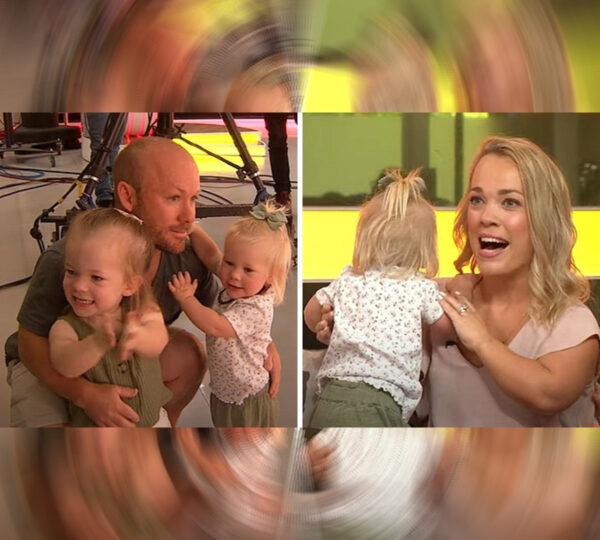
Despite this, Charli and Cullen chose to move forward with openness, resilience, and honesty—eventually transforming their family’s story into one that has inspired hundreds of thousands of people around the world.
Turning Curiosity and Criticism Into Education
After the birth of their first daughter, Charli made a decision that would change her life in an unexpected way.
She began sharing glimpses of her family life on social media, not for attention, but to educate people about dwarfism, parenthood, and the realities of raising children while living with genetic conditions that are often misunderstood.
At the time, she had no idea how many people her story would reach. What started as a personal outlet soon evolved into a powerful platform.
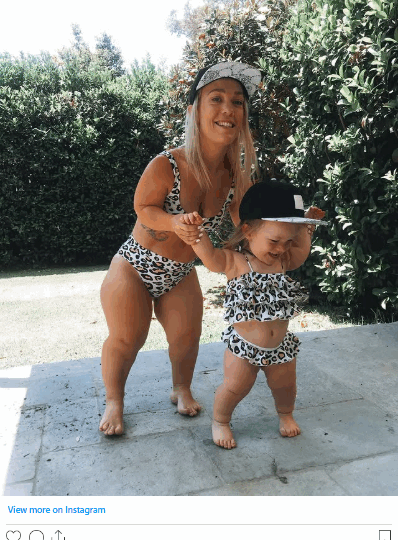
Today, Charli’s Instagram account has over 300,000 followers, many of whom have found comfort, understanding, and inspiration in her honesty.
Through photos, captions, and thoughtful reflections, Charli has shown that her family’s daily life—filled with love, exhaustion, laughter, worry, and joy—is not so different from that of any other parents.
Yet behind that normalcy lies a level of complexity that most families never have to face.
Two Forms of Dwarfism, Four Possible Outcomes
Charli has achondroplasia, the most common form of dwarfism. Cullen has geleophysic dysplasia, a much rarer genetic condition.
Because each parent carries a different genetic variation, every pregnancy comes with four possible outcomes for their baby:
The child could be of average height
The child could inherit Charli’s achondroplasia
The child could inherit Cullen’s geleophysic dysplasia
The child could inherit both genetic conditions, a situation known as double dominant dwarfism, which medical professionals have determined would be fatal at or before birth
This reality means that pregnancy is not only an emotional journey for Charli and Cullen—it is also a deeply medical one.
Each pregnancy requires careful monitoring, specialist consultations, and genetic testing that carries both physical risk and emotional weight.
The Painful Reality of Genetic Testing
When Charli announced that she was 14 weeks pregnant with her third child, the news was joyful—but also bittersweet.
Unlike many expectant parents, Charli could not celebrate the typical milestones of pregnancy without fear.
While most women look forward to reaching the 12-week mark as a time of reassurance and public celebration, Charli faced something very different.
At 12 weeks, she was preparing for Chorionic Villus Sampling (CVS), a genetic test used to analyze the baby’s DNA.
CVS involves inserting a needle through the abdomen to collect a sample of placental tissue.
The procedure carries approximately a 2% risk of miscarriage, a statistic that weighs heavily on anyone undergoing it—especially when the results may determine whether the pregnancy can safely continue.
Charli openly shared this experience, explaining that while others were announcing pregnancies with excitement, she was lining up for a procedure that could change everything.
Waiting for Answers No Parent Wants to Face
In an emotional Instagram post, Charli explained the gravity of what she and Cullen were waiting to learn.
The test results would determine not just the baby’s genetic makeup, but whether the child could survive.
She wrote that she was waiting to find out whether she would be able to bring this baby into the world in March 2021, or whether the baby’s journey would end before it truly began.
Few parents are ever forced to confront such possibilities.
The waiting period, filled with uncertainty and fear, was emotionally exhausting.
Yet Charli chose to share that vulnerability publicly—not to seek sympathy, but to help others understand the complexity behind their family planning decisions.
Living Under Public Judgment
By sharing her life online, Charli has also opened herself up to criticism. Some people have questioned her decision to have children at all, pointing to the genetic risks involved.
Others have expressed opinions about what they believe responsible parenthood should look like, often without understanding the medical realities or emotional depth of the situation.
Charli addressed this criticism directly.
She acknowledged that people are entitled to their opinions but emphasized that choosing to bring a child into the world under these circumstances is never a simple or careless decision.
Her message was clear: kindness matters. Behind every pregnancy announcement, there may be a story filled with fear, pain, hope, and resilience that outsiders never see.
Two Daughters and a Growing Family
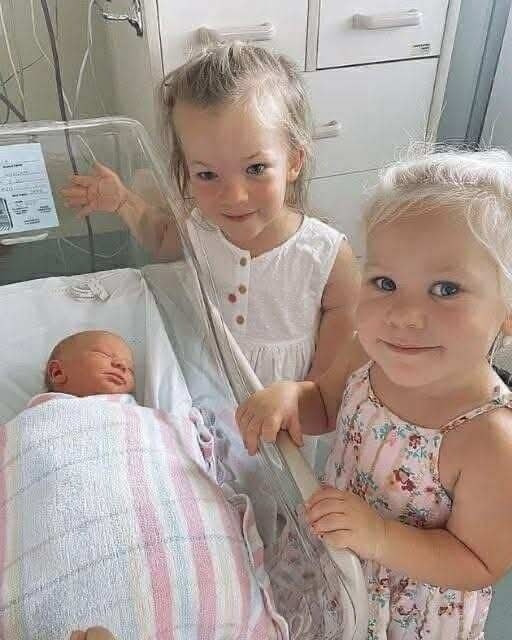
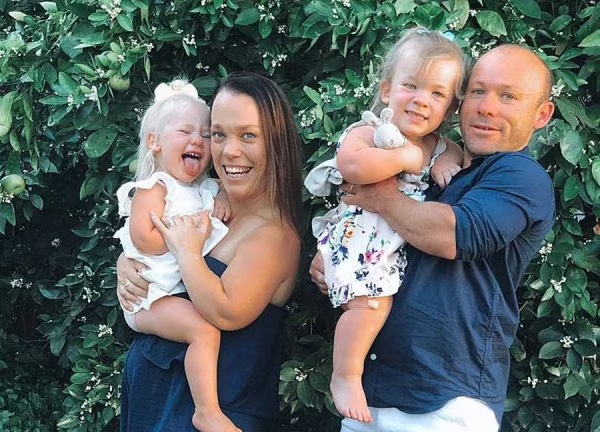
Charli and Cullen’s first two children—Tilba, now four, and Tully, now two—each inherited one of their parents’ forms of dwarfism.
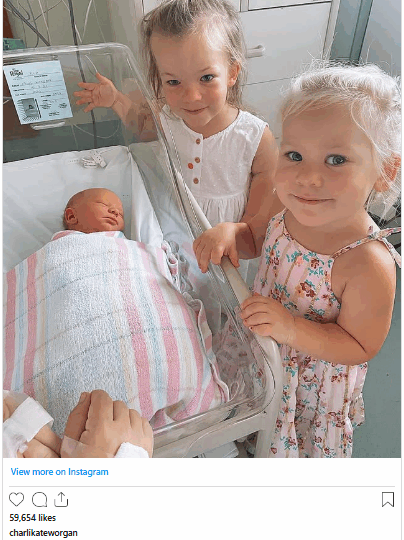
Both girls are thriving, surrounded by love, and growing up in a household where difference is not just accepted, but celebrated.
When Charli became pregnant for the third time, the family once again faced the same four possible outcomes.
They waited, hoped, and prepared themselves emotionally for whatever news would come.
Eventually, the couple learned that their baby did not inherit the fatal combination of genes. In late February, Charli gave birth to their third child, a baby boy named Rip.
Welcoming Baby Rip
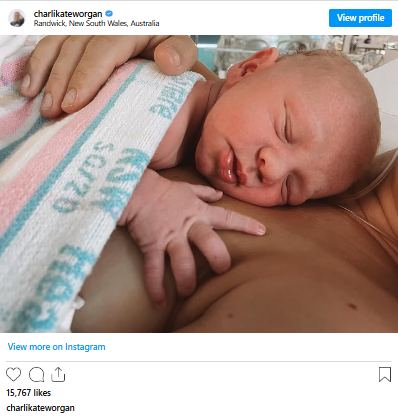
Following Rip’s birth, Charli shared a photo of herself with her newborn, accompanied by words that resonated with parents everywhere.
She wrote about exhaustion, gratitude, and the overwhelming emotions that come with welcoming a new baby.
Her message was simple but powerful: there is no single “correct” way to do motherhood—and just as importantly, no “wrong” way either.
Her words struck a chord with thousands of parents who recognized themselves in her honesty.
Sleepless nights, self-doubt, love, and resilience are universal experiences, regardless of physical differences or genetic conditions.
Redefining Normal Parenthood
Through her openness, Charli has helped dismantle harmful assumptions about disability and parenthood.
Her life demonstrates that being a parent with dwarfism does not make someone less capable, less loving, or less prepared.
Like all parents, Charli and Cullen worry about their children, celebrate milestones, navigate challenges, and learn as they go.
Their household is filled with the same chaos and joy found in homes around the world.
What sets their story apart is not their differences, but their willingness to share the realities behind them.
A Message of Compassion and Understanding
Charli’s journey highlights an important truth: family decisions are deeply personal, and they are rarely as simple as they appear from the outside.
Her story encourages empathy—reminding people that behind every visible difference is a complex, meaningful human experience.
By choosing transparency over silence, Charli has helped educate thousands about dwarfism, genetic testing, and the emotional realities of pregnancy.
In doing so, she has built a community rooted in understanding rather than judgment.
An Ongoing Story of Strength
Today, Charli, Cullen, and their three children continue to share their lives online—the highs and the lows, the ordinary moments and the extraordinary ones.
Their story is not about perfection, but about resilience, love, and authenticity.
Ultimately, Charli’s message is simple and deeply human: parenthood is not defined by genetics, height, or public opinion. It is defined by care, commitment, and love.
Her journey reminds us that while every family looks different, the hopes, fears, and joys that bind parents together are universal.
For many married couples, questions about starting a family are common and often well-intentioned. Friends, relatives, and even strangers frequently ask.
“When are you going to have kids?” But for Charli Worgan and her husband Cullen, the questions were different—and far more confronting.
Instead of when, they were often asked why. Charli and Cullen, a Sydney-based couple, each live with a different form of dwarfism. While their lives are full, joyful, and active, their relationship and parenting choices have frequently been subject to intense public scrutiny.
That scrutiny only intensified when Charli became pregnant with their first child.
What should have been a time of excitement and anticipation became, in many ways, a period marked by judgment, misunderstanding, and deeply personal challenges.
Despite this, Charli and Cullen chose to move forward with openness, resilience, and honesty—eventually transforming their family’s story into one that has inspired hundreds of thousands of people around the world.
Turning Curiosity and Criticism Into Education
After the birth of their first daughter, Charli made a decision that would change her life in an unexpected way.
She began sharing glimpses of her family life on social media, not for attention, but to educate people about dwarfism, parenthood, and the realities of raising children while living with genetic conditions that are often misunderstood.
At the time, she had no idea how many people her story would reach. What started as a personal outlet soon evolved into a powerful platform.
Today, Charli’s Instagram account has over 300,000 followers, many of whom have found comfort, understanding, and inspiration in her honesty.
Through photos, captions, and thoughtful reflections, Charli has shown that her family’s daily life—filled with love, exhaustion, laughter, worry, and joy—is not so different from that of any other parents.
Yet behind that normalcy lies a level of complexity that most families never have to face.
Two Forms of Dwarfism, Four Possible Outcomes
Charli has achondroplasia, the most common form of dwarfism. Cullen has geleophysic dysplasia, a much rarer genetic condition.
Because each parent carries a different genetic variation, every pregnancy comes with four possible outcomes for their baby:
The child could be of average height
The child could inherit Charli’s achondroplasia
The child could inherit Cullen’s geleophysic dysplasia
The child could inherit both genetic conditions, a situation known as double dominant dwarfism, which medical professionals have determined would be fatal at or before birth
This reality means that pregnancy is not only an emotional journey for Charli and Cullen—it is also a deeply medical one.
Each pregnancy requires careful monitoring, specialist consultations, and genetic testing that carries both physical risk and emotional weight.
The Painful Reality of Genetic Testing
When Charli announced that she was 14 weeks pregnant with her third child, the news was joyful—but also bittersweet.
Unlike many expectant parents, Charli could not celebrate the typical milestones of pregnancy without fear.
While most women look forward to reaching the 12-week mark as a time of reassurance and public celebration, Charli faced something very different.
At 12 weeks, she was preparing for Chorionic Villus Sampling (CVS), a genetic test used to analyze the baby’s DNA.
CVS involves inserting a needle through the abdomen to collect a sample of placental tissue.
The procedure carries approximately a 2% risk of miscarriage, a statistic that weighs heavily on anyone undergoing it—especially when the results may determine whether the pregnancy can safely continue.
Charli openly shared this experience, explaining that while others were announcing pregnancies with excitement, she was lining up for a procedure that could change everything.
Waiting for Answers No Parent Wants to Face
In an emotional Instagram post, Charli explained the gravity of what she and Cullen were waiting to learn.
The test results would determine not just the baby’s genetic makeup, but whether the child could survive.
She wrote that she was waiting to find out whether she would be able to bring this baby into the world in March 2021, or whether the baby’s journey would end before it truly began.
Few parents are ever forced to confront such possibilities.
The waiting period, filled with uncertainty and fear, was emotionally exhausting.
Yet Charli chose to share that vulnerability publicly—not to seek sympathy, but to help others understand the complexity behind their family planning decisions.
Living Under Public Judgment
By sharing her life online, Charli has also opened herself up to criticism. Some people have questioned her decision to have children at all, pointing to the genetic risks involved.
Others have expressed opinions about what they believe responsible parenthood should look like, often without understanding the medical realities or emotional depth of the situation.
Charli addressed this criticism directly.
She acknowledged that people are entitled to their opinions but emphasized that choosing to bring a child into the world under these circumstances is never a simple or careless decision.
Her message was clear: kindness matters. Behind every pregnancy announcement, there may be a story filled with fear, pain, hope, and resilience that outsiders never see.
Two Daughters and a Growing Family
Charli and Cullen’s first two children—Tilba, now four, and Tully, now two—each inherited one of their parents’ forms of dwarfism.
Both girls are thriving, surrounded by love, and growing up in a household where difference is not just accepted, but celebrated.
When Charli became pregnant for the third time, the family once again faced the same four possible outcomes.
They waited, hoped, and prepared themselves emotionally for whatever news would come.
Eventually, the couple learned that their baby did not inherit the fatal combination of genes. In late February, Charli gave birth to their third child, a baby boy named Rip.
Welcoming Baby Rip
Following Rip’s birth, Charli shared a photo of herself with her newborn, accompanied by words that resonated with parents everywhere.
She wrote about exhaustion, gratitude, and the overwhelming emotions that come with welcoming a new baby.
Her message was simple but powerful: there is no single “correct” way to do motherhood—and just as importantly, no “wrong” way either.
Her words struck a chord with thousands of parents who recognized themselves in her honesty.
Sleepless nights, self-doubt, love, and resilience are universal experiences, regardless of physical differences or genetic conditions.
Redefining Normal Parenthood
Through her openness, Charli has helped dismantle harmful assumptions about disability and parenthood.
Her life demonstrates that being a parent with dwarfism does not make someone less capable, less loving, or less prepared.
Like all parents, Charli and Cullen worry about their children, celebrate milestones, navigate challenges, and learn as they go.
Their household is filled with the same chaos and joy found in homes around the world.
What sets their story apart is not their differences, but their willingness to share the realities behind them.
A Message of Compassion and Understanding
Charli’s journey highlights an important truth: family decisions are deeply personal, and they are rarely as simple as they appear from the outside.
Her story encourages empathy—reminding people that behind every visible difference is a complex, meaningful human experience.
By choosing transparency over silence, Charli has helped educate thousands about dwarfism, genetic testing, and the emotional realities of pregnancy.
In doing so, she has built a community rooted in understanding rather than judgment.
An Ongoing Story of Strength
Today, Charli, Cullen, and their three children continue to share their lives online—the highs and the lows, the ordinary moments and the extraordinary ones.
Their story is not about perfection, but about resilience, love, and authenticity.
Ultimately, Charli’s message is simple and deeply human: parenthood is not defined by genetics, height, or public opinion. It is defined by care, commitment, and love.
Her journey reminds us that while every family looks different, the hopes, fears, and joys that bind parents together are universal.