Grief settled over Manhattan like a quiet winter dawn as family and friends gathered to say goodbye to Tatiana Celia Kennedy Schlossberg.
A beloved journalist, author, daughter, mother, and granddaughter of President John F. Kennedy. Her funeral, held on January 5, 2026 at the historic Church of St. Ignatius Loyola on Manhattan’s Upper East Side.
Stood as both a private family farewell and a public reflection on a life of purpose interrupted far too soon. Tatiana died on December 30, 2025, at just 35 years old after a determined and deeply personal struggle with acute myeloid leukemia, a rare and aggressive form of blood cancer.
She had publicly revealed her diagnosis only six weeks earlier in a poignant essay titled “A Battle With My Blood,” published in The New Yorker, where she wrote candidly about the shock of discovering her illness following routine blood tests after the birth of her second child.
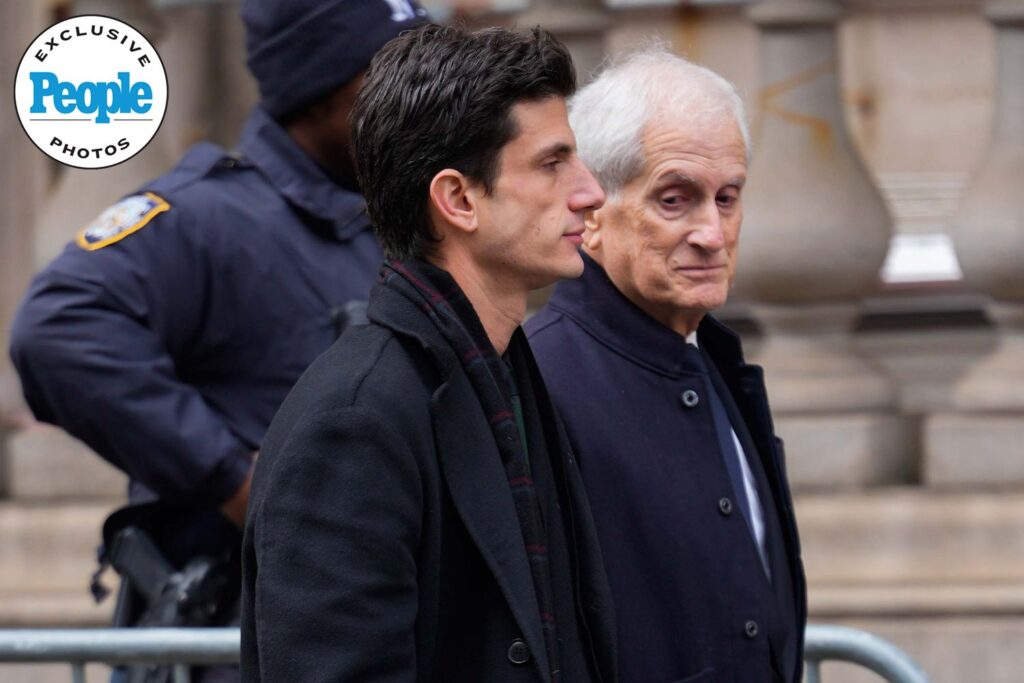
The solemn service drew close family members, childhood friends, colleagues from the world of journalism, environmental advocates, and prominent public figures whose lives she had touched.
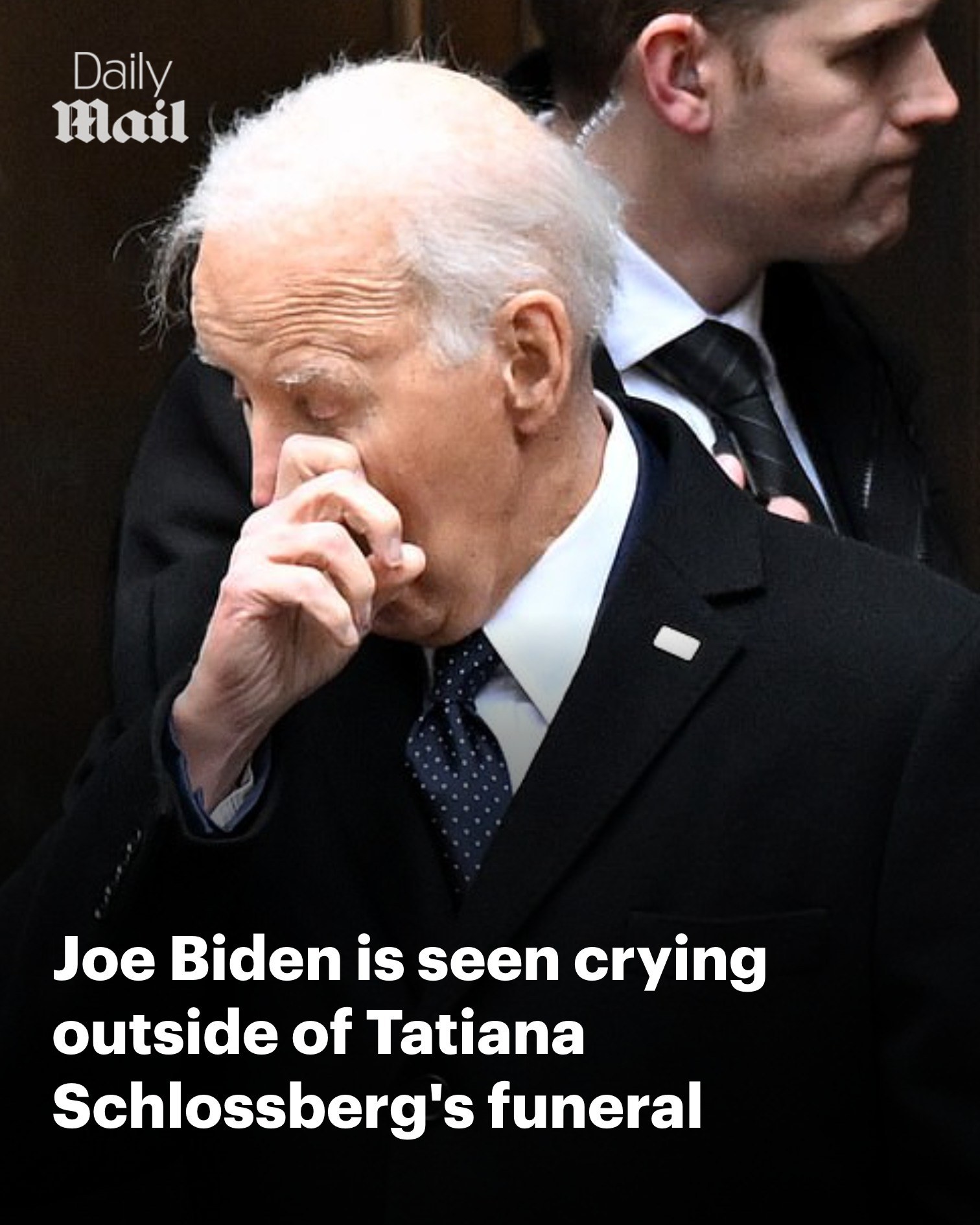
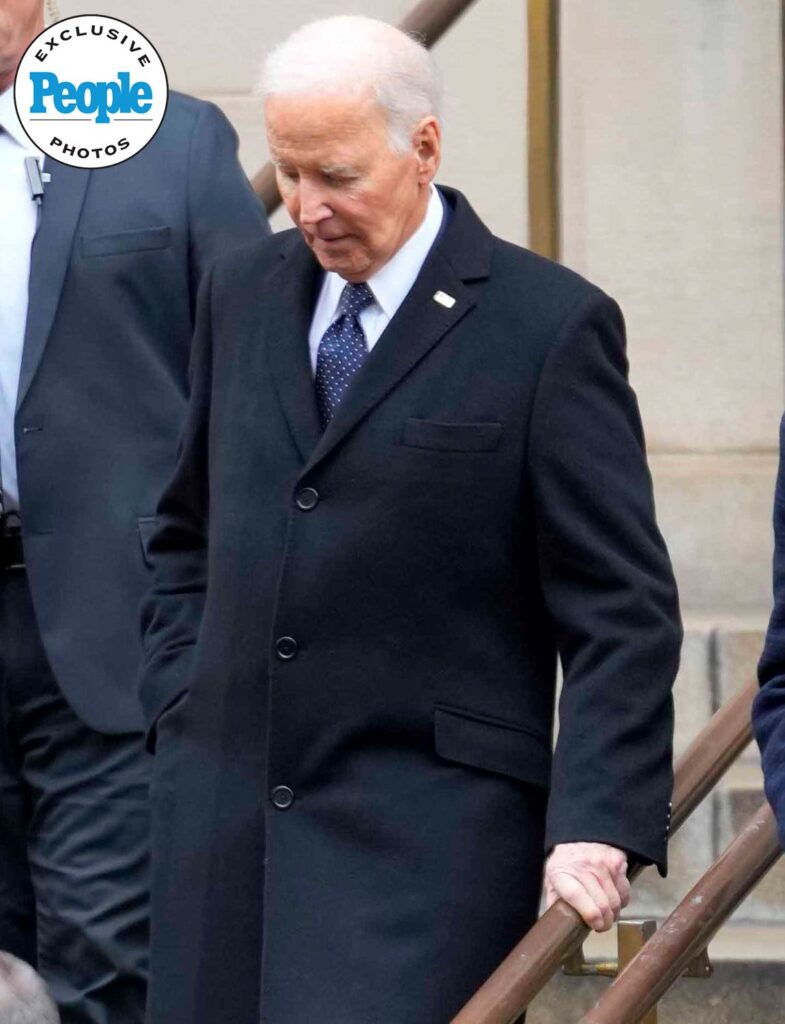
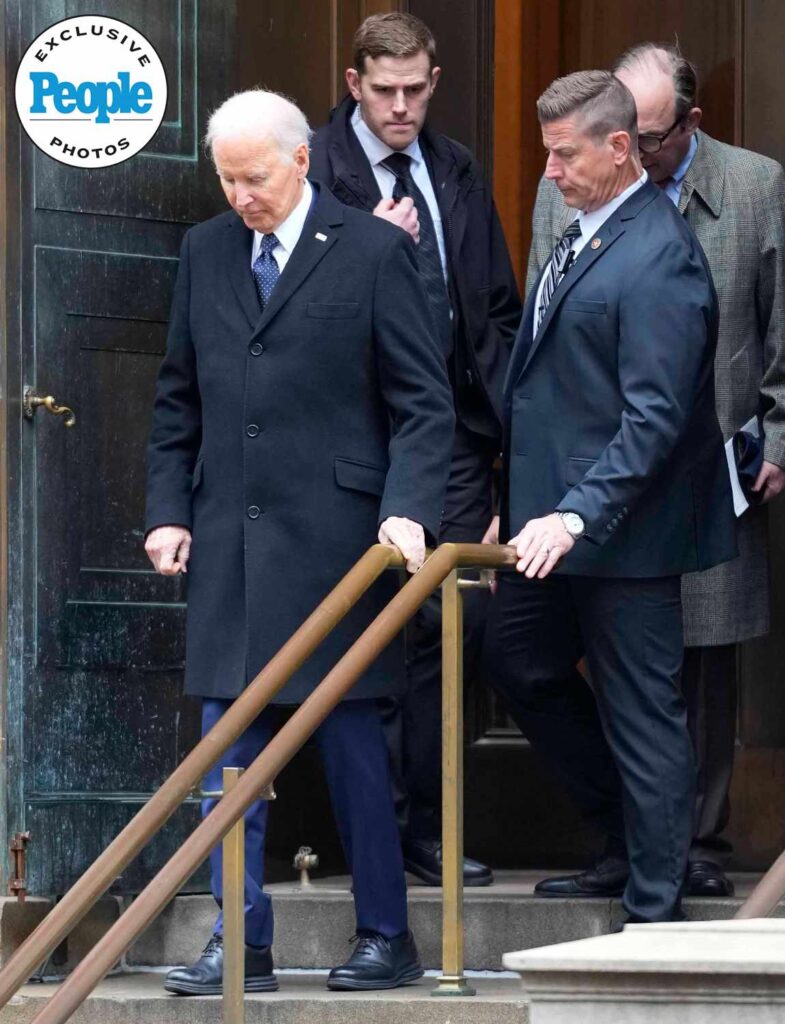
Among those present was President Joe Biden, who was visibly emotional outside the church, reflecting his own personal history of loss and the profound connections forged between his family and the Kennedys over decades.
Tatiana’s parents, Caroline Kennedy and Edwin Schlossberg, stood alongside their children, Jack and Rose Schlossberg, as they arrived for the service. The family’s appearance underscored both the depth of their grief and the strength that comes from shared history and love.
For Caroline, the moment echoed years of heartbreak—the assassinations of her father, President John F. Kennedy, and her uncle, Robert F. Kennedy, and the tragic death of her brother, **John F. Kennedy Jr.—a poignant reflection on loss that has shaped the Kennedy family’s public narrative for generations.
Tatiana’s husband, George Moran, accompanied by their two young children, Edwin and Josephine, was present as well, surrounded by family and close friends who offered support during this deeply painful time.
The presence of her children at the service—just toddlers themselves—highlighted the bittersweet reality of a life devoted both to professional purpose and to family that was cut far too short.
Known for her incisive mind, gentle humor, and passionate advocacy for environmental issues, Tatiana built a distinguished career in journalism.
She graduated from Yale University and later earned a master’s degree from the University of Oxford before rising to national prominence as a science and climate reporter for The New York Times. Her writing explored the intersections of environment, public policy, and everyday life, bringing complex topics to a broad readership with clarity and humanity.
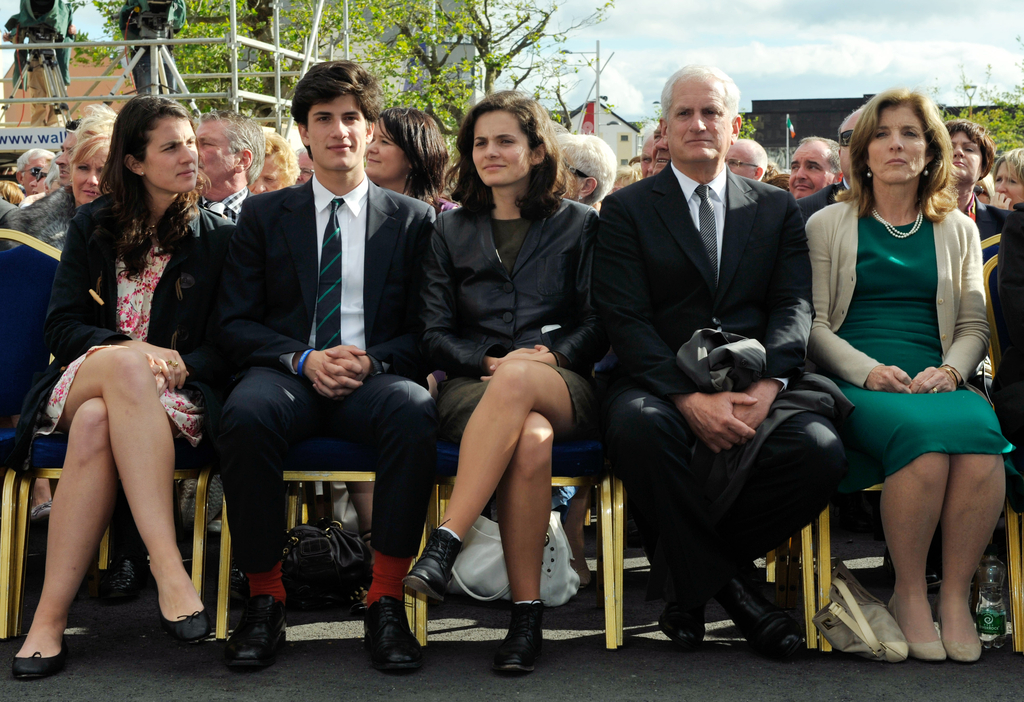
In 2019, she published Inconspicuous Consumption: The Environmental Impact You Don’t Know You Have, a thoughtful exploration of how seemingly small choices accumulate into large ecological effects.
The book was widely praised for its insight, wit, and practical clarity, earning recognition within the environmental reporting community and beyond.
Tatiana’s final months were spent with remarkable courage and openness. In her New Yorker essay, she wrote about the surreal nature of facing a terminal diagnosis while caring for a newborn—an experience that blurred the line between ordinary life and extraordinary fear.
She spoke honestly about her love for her children and the heartbreak of knowing the time she could spend with them was limited. “I wasn’t sick,” she wrote of her early symptoms; “I had swum a mile in the pool the day before, nine months pregnant…
I wasn’t sick.” Her words resonated with readers around the world, capturing both the fragility and tenacity of human life.
Photos from the funeral showed intimate moments of family members supporting one another: Caroline Kennedy holding her young granddaughter close, Jack Schlossberg visibly emotional as he walked with his father and sister, and George Moran comforting his children amid the soft winter light.
Commentators noted that the choice of St. Ignatius Loyola was deeply meaningful; it is the same church where Tatiana’s grandmother, Jacqueline Kennedy Onassis, had her own funeral decades earlier, bringing historic resonance to the farewell.
Throughout the day, expressions of condolences poured in from across the nation. Friends, colleagues, and fellow advocates remembered Tatiana not only for her professional contributions but for her warmth, compassion, and commitment to making the world a better place.
Writer and civil rights advocate Kerry Kennedy, a cousin, reflected that Tatiana’s life “left our world more joyful, more beautiful, more full of loving kindness,” while family friend Maria Shriver described her as “the light, the humor, the joy” whose work educated others about the planet and how to protect it.
Amid the private grief, there was also a collective honoring of Tatiana’s legacy. Her brother Jack took to social media to pay tribute, sharing poems, family photos, and passages from her book that reflected her values—compassion, responsibility, and the belief that every individual, through thoughtful action, can contribute to a more sustainable future.
As the ceremony concluded, mourners spoke quietly of Tatiana’s life and impact. Beyond her public achievements, she was remembered as a devoted daughter, sister, wife, and mother whose presence enriched every life she touched.
The memory of her work, her words, and her unwavering courage in the face of profound challenge will continue to inspire others long after the service concluded.
Tatiana Schlossberg’s passing has prompted not only sorrow but also deep reflection on the breadth of her contributions to journalism, environmental advocacy, and public understanding.
While her life was tragically short, her work and dedication left a profound imprint that continues to influence readers, policy discussions, and family members who now carry forward her mission.
Her career as an environmental journalist was marked by a unique ability to explain complex scientific topics in ways that were accessible and engaging.
At The New York Times, Tatiana reported on climate policy, sustainable practices, and the hidden consequences of everyday consumption. Her articles often combined meticulous research with compelling storytelling, allowing readers to grasp the urgency of environmental challenges while seeing actionable ways to contribute positively.
For instance, she highlighted the carbon footprint of consumer choices, the ecological impact of energy production, and the role of policy incentives in shaping sustainable behavior. Her work was recognized for not only raising awareness but also inspiring practical change.
In her book, Inconspicuous Consumption, Tatiana explored the unseen effects of daily habits—such as food sourcing, household energy use, and material consumption—on the environment.
She emphasized that even small, informed adjustments could accumulate into meaningful ecological impact. The book resonated with readers because it offered clarity without condescension and underscored the interconnectedness of personal choices, policy, and global sustainability.
Reviewers praised her ability to translate environmental science into narratives that were both informative and deeply human, demonstrating that caring for the planet could align seamlessly with everyday life.
Beyond her professional achievements, Tatiana’s role as a mother, daughter, sister, and wife defined much of her daily life. She frequently wrote about the challenges of balancing career ambitions with family responsibilities, particularly as a new mother navigating the pressures of an unforgiving professional landscape.
Her public reflections on illness highlighted her concern for shielding loved ones from unnecessary worry, while her personal correspondence and essays revealed a profound empathy for the broader human condition.
The juxtaposition of her private courage with her public advocacy created a portrait of a person whose influence extended far beyond the printed page.
Family reactions to her passing reflect both intimate grief and a commitment to honor her legacy. Jack Schlossberg, in sharing memories and excerpts from her writings on social media, emphasized the values that Tatiana held dear: compassion, purpose, and environmental responsibility.
Caroline Kennedy and Edwin Schlossberg have similarly expressed a desire to continue supporting initiatives that align with Tatiana’s passions, particularly those related to climate awareness, sustainable living, and education.
George Moran, her husband, has indicated that the family intends to maintain active engagement in charitable and advocacy work, ensuring that her vision continues to shape meaningful projects in the years to come.
The funeral also served as a reminder of the broad impact Tatiana had across social and professional circles. Attendance by figures such as David Letterman, John Kerry, and former New York City Mayor Michael Bloomberg reflected the wide respect she garnered for her intellect, integrity, and commitment to public service.
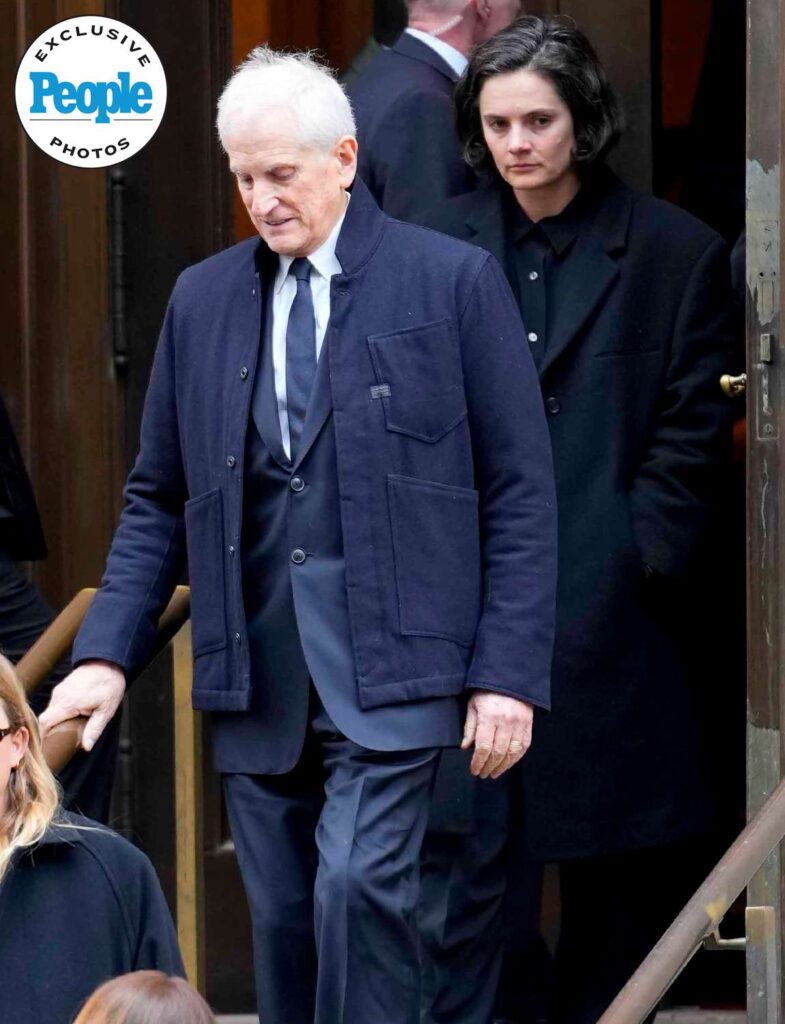
Observers noted that the mixture of political figures, media personalities, and environmental advocates illustrated the multifaceted nature of her life: she bridged worlds of journalism, policy, and advocacy in a manner that few could.
Tatiana’s story has also ignited conversations about the human dimensions of public health and disease awareness. Her essays candidly described the dissonance of feeling physically active and healthy while confronting a life-threatening diagnosis.
Her reflections offer insight into the psychological, emotional, and familial dimensions of serious illness, resonating with readers who have faced similar challenges or cared for loved ones with unexpected diagnoses.
In doing so, she has left a lasting educational and empathetic legacy, demonstrating that personal narrative can illuminate scientific and medical realities for a broader audience.
In addition, her advocacy for environmental consciousness continues to inspire new generations of journalists, writers, and citizens. By blending storytelling with actionable guidance, Tatiana’s work has encouraged individuals and communities to evaluate their personal impact on the planet.
Academic programs in environmental studies and journalism have cited her book and articles as exemplary models of how to combine research rigor with accessibility, showing that effective communication can drive social change.
Ultimately, Tatiana Schlossberg’s life and work represent a confluence of intellect, compassion, and commitment. Her funeral, attended by family, friends, and public figures, underscored the deep connections she nurtured and the enduring influence of her writings.
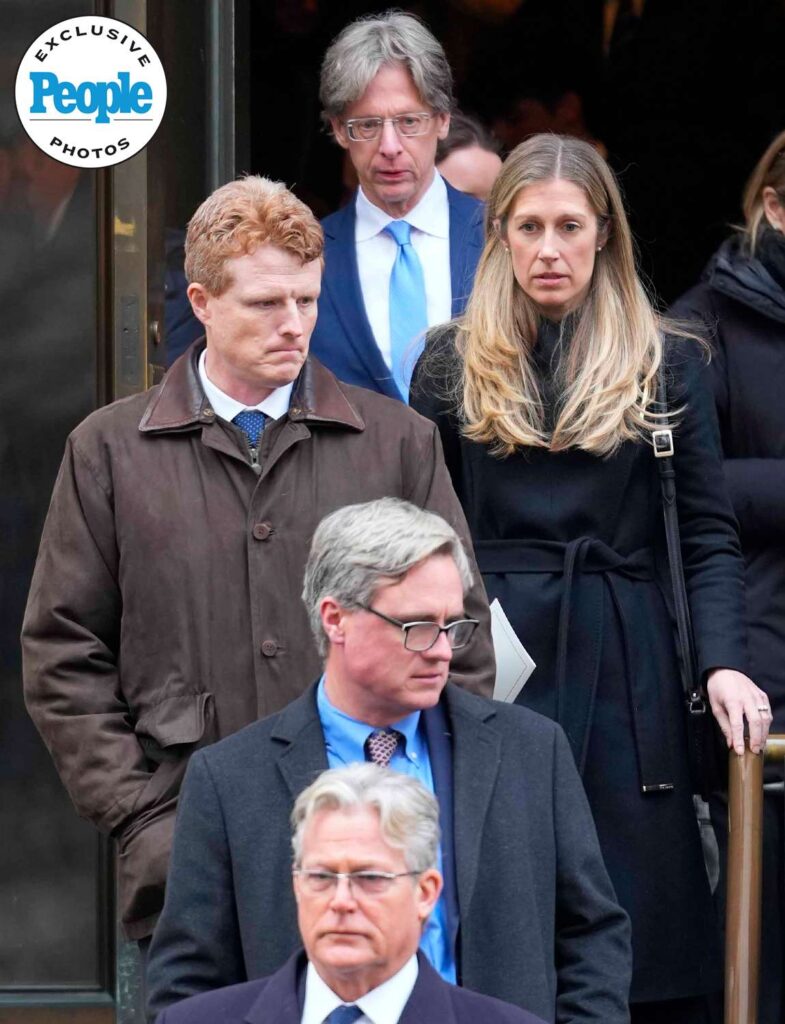
While her death at 35 leaves a void, the principles she championed—responsibility, awareness, and active engagement—continue to inspire those who read her work, carry forward her projects, or remember her as a family member whose courage and dedication left an indelible mark.
As the family, colleagues, and the public mourn her loss, the legacy of Tatiana Schlossberg serves as a reminder that meaningful action, thoughtful reflection, and compassion for both people and planet can create a life whose impact extends far beyond its years.
Her passing, though heartbreaking, invites continued dialogue on environmental stewardship, public health, and the power of storytelling to connect hearts, minds, and communities.